
 Mark Stefanos
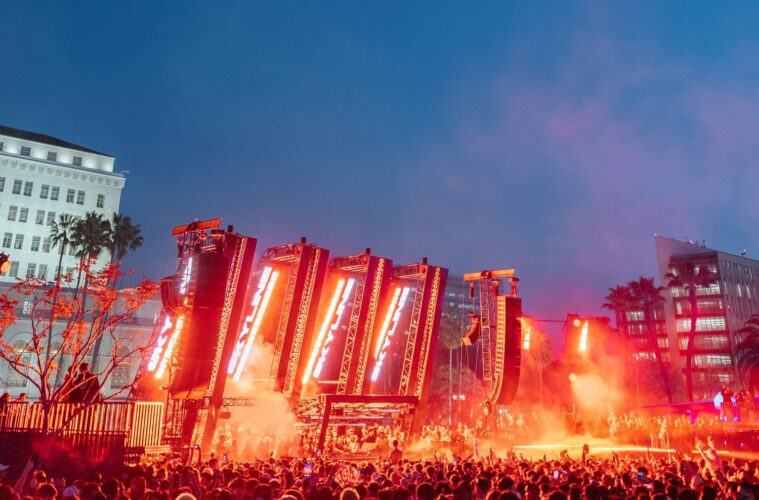
In the heart of downtown Los Angeles, where blue-collar industry works in the shadow of graffiti masterpieces, Skyline Festival lands as an ode to LA’s dance scene. For its fifth edition, coming Feb. 28 and March 1, the festival levels up with a move from Gloria Molina Grand Park to Ace*Mission Studios, a sprawling creative campus along the LA River, bordering the Arts District. Originally a beverage distribution hub, the venue’s raw topography is steeped in the mug of the city’s underground warehouse scene, where music and misfits bash in bass. Organizers hail it as a “natural new home,” offering expanded dance floors, immersive light shows, and proximity to the throbbing core of the city’s electronic pulse.
Produced by Insomniac under its underground-focused Factory 93 banner, this two-day fest unites over sixty artists amid art installations and local eats. Attendees can expect over ten hours of nonstop music daily, followed by official afterparties in an indoor warehouse that will keep the vibe alive until 3 a.m., on both Saturday and Sunday.
Skyline will have four distinct stages this year that channel the city’s multifaceted nightlife, each with its own sonic identity, pulling together a lineup that balances global firepower with local underground heroes.
The East Side stage pumps house anthems and rave-ready grooves, drawing in globally acclaimed selectors like Dennis Cruz, Chris Stussy, Beltran, Marco Carola, and high-energy standouts such as I Hate Models, KI/KI, Eli Brown, and DJ Gigola — plus electrifying B2B pairings like The Blessed Madonna B2B HAAi and Toman B2B Miguelle & Tons.
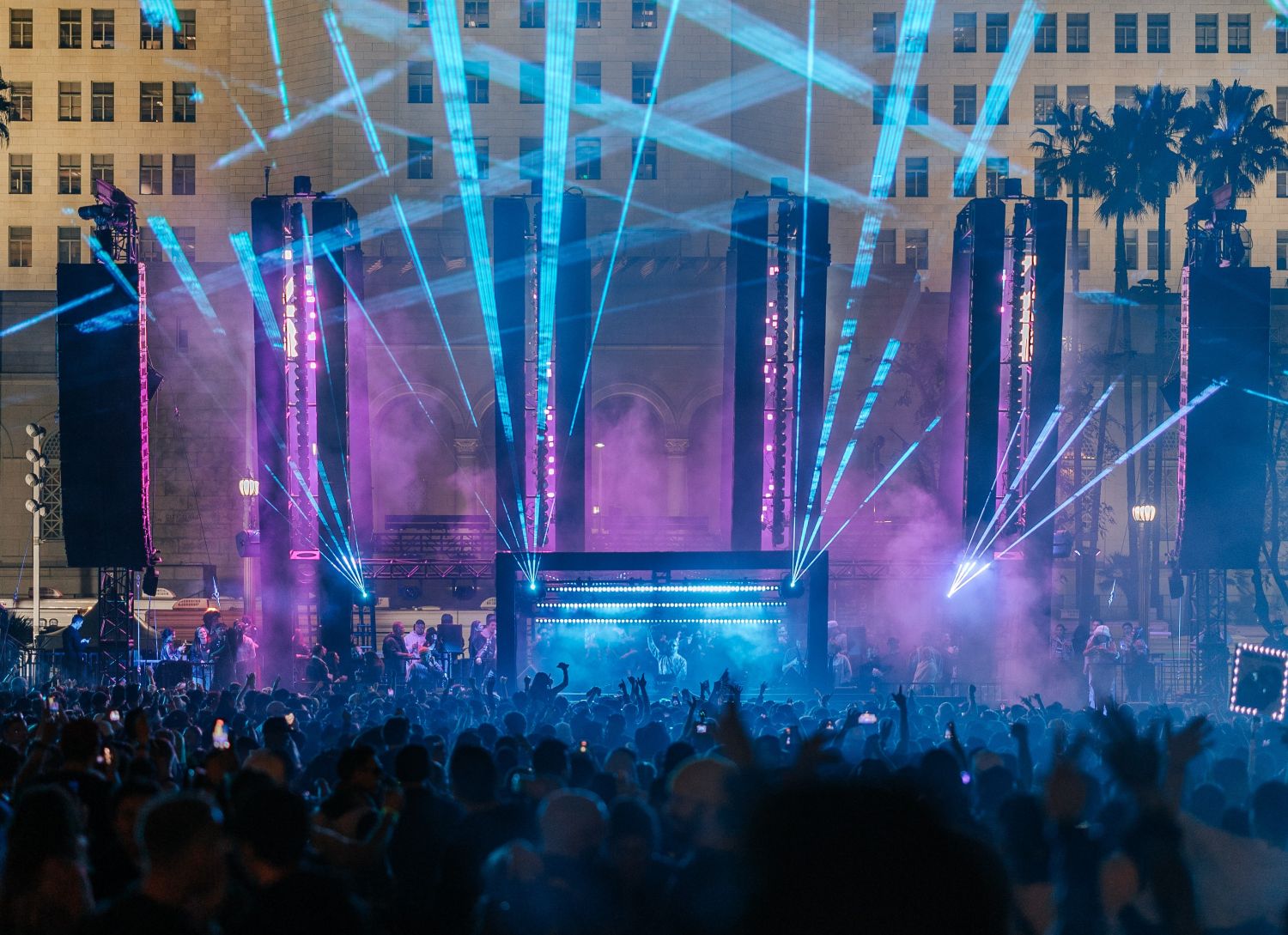
Skyline Festival (Photo: Jamal Eid for Insomniac Events)
Over on the West Side, the focus shifts to intense, emotionally charged techno and hard-hitting sounds, featuring heavyweights 999999999, Joseph Capriati, VTSS, Quest, DJ Seinfeld, Ahmed Spins, and B2Bs including Adrián Mills B2B Cloudy and DJ Tennis B2B DJ Boring.
The new Downtown stage, hosted by Resident Advisor, dives into eclectic, avant-garde, and boundary-pushing electronic strains, spotlighting pioneering icons Richie Hawtin, Ben UFO, Avalon Emerson, MCR-T, SPFDJ, Nick León, Verraco, tINI, and inventive collaborations like Danny Daze B2B Ryan Elliott and Jyoty B2B Zack Fox.
Rounding it all out, the community-focused Arts District stage spotlights some of the most renowned names in the LA scene — and this year it will be fittingly be in an indoor warehouse. Saturday highlights include Victor Rodriguez B2B Perfect Lovers, Mez Monty, CQUESTT, Juliet Mendoza, Gay Felony, and TAJ. Sunday brings Star Eyes, DJ Warning, Mesmé, Mapamota, BB Shaine, Alex Casillas, and additional alumni, proving Skyline’s commitment to elevating the voices shaping the city’s scene right at home.
At its core, this curation of international heavyweights and local innovators creates a melting pot that amplifies LA’s underground on the world stage, while keeping the festival deeply rooted in the creative cauldron of downtown.
Below, artists CQUESTT, Dee Diggs, HAAi, Mapamota, Mesmé, Mez Monty, Perfect Lovers, Star Eyes and Victor Rodriguez ground our understanding of the underground scene, and give us a preview of what they have in store for Skyline and beyond.
CQUESTT of Baile World: Arts District Stage on 2/28
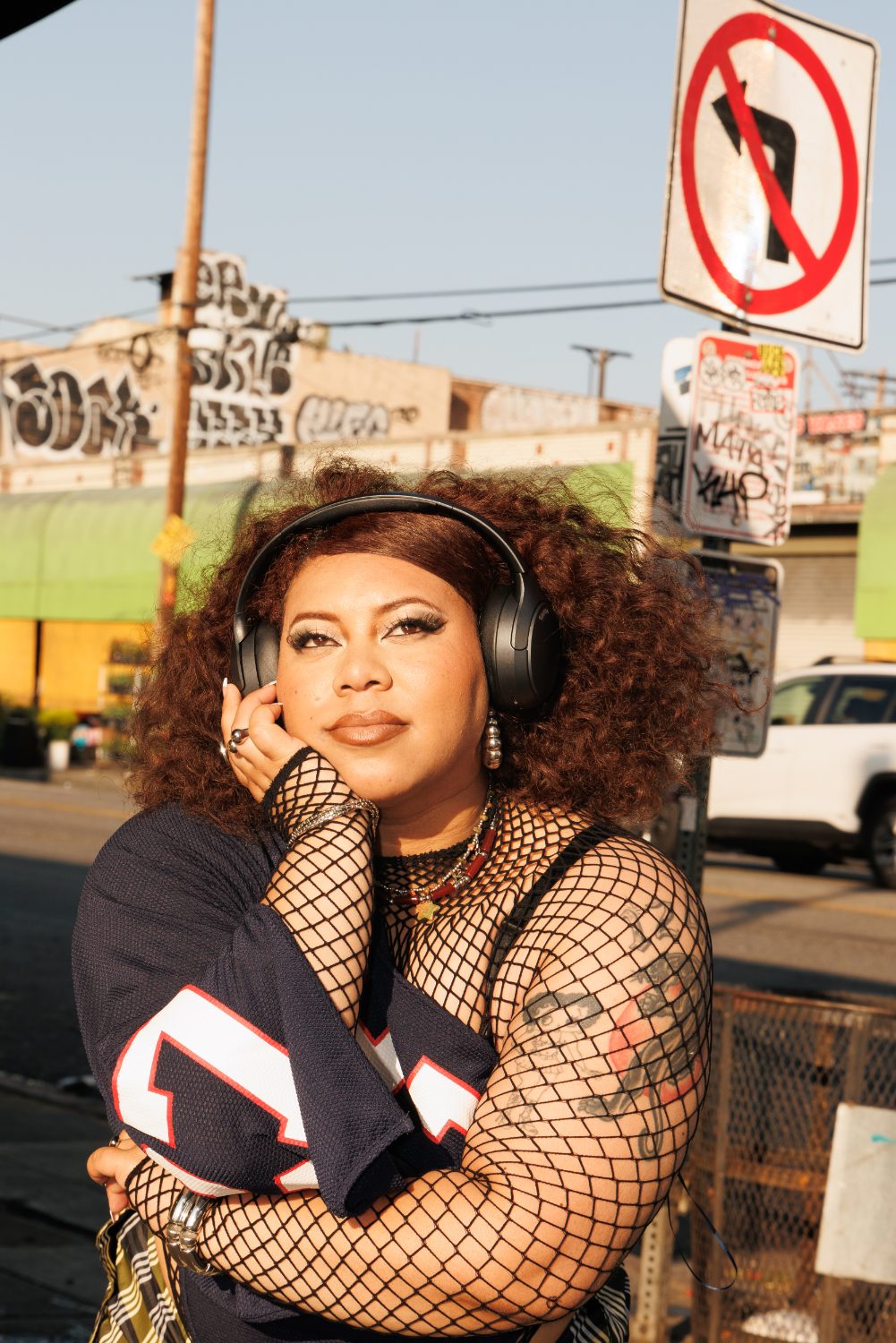
CQUESTT (Courtesy of CQUESTT)
What first drew you into the electronic music world, and how has being based in Los Angeles played a role in your career?
Techno stems from Black culture and that inspired me to dig more. Its very essence is rooted in resistance and pride for our culture. This same sentiment can be applied to me being born and raised in Los Angeles. My grandparents grew up here, my parents are from here, being Angeleno is in my blood — and being black and Latina, I’m a physical representation of the best parts of the city.
How has the LA underground scene influenced your sound and approach as an artist?
The LA underground is so community driven which inspires a lot of what I do! And almost every OG I meet got their start in the scene for their love of dance and music. Whether it’s an underground party or at a regular club, I try to make sure to keep that same feeling at my events — keeping the underground energy wherever I go.
Can you share a bit about your collective Baile World and how it ties into the broader LA creative community?
Baile World is a global sounds dance party born out of the desire to create a space where identity, community, and rhythm collide. Baile celebrates the sounds of the diaspora — genres including Reggaeton, Dembow, Dancehall, Baile Funk, Ghetto Tech, Jersey Club, & more! We highlight artists from LA and around the world, making global music accessible and prioritizing the city’s POC LGBTQIA+ community.
What does it mean for you to play Skyline?
It’s an honor to play for Skyline! This festival really embraces the city and not only hires local talent, but uplifts them! And to be a part of the Arts District stage that highlights LA’s community leaders, around so many that have inspired my own journey, really feels full circle.
Dee Diggs: West Side Stage on March 1
Why are you excited for Skyline and to play in Los Angeles?
I always love playing in Los Angeles and exploring different sides of what the city’s nightlife and underground scenes have to offer. I’ve had many magical nights here, so I’m always intrigued at the opportunity to come and bring some of my “heavy, yet soft” East Coast energy with me.
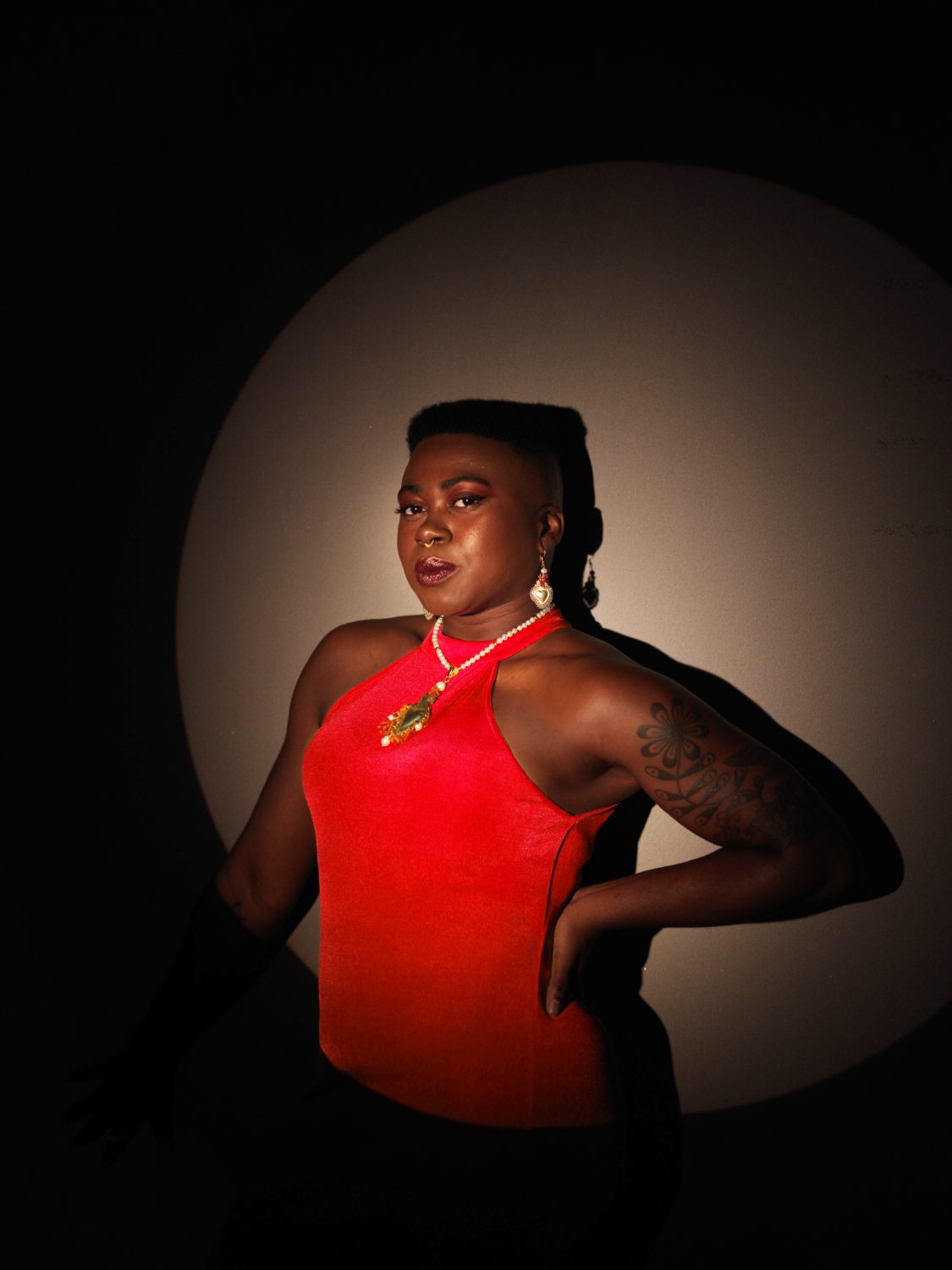
Dee Diggs (Courtesy of Dee Diggs)
It’s my pleasure to bring my airy and patient old-school way of DJing to the center stage in a musical landscape in DJ culture that tends to center those who play music that is of faster pace. I like to slow it all down and remind people that dancing with their whole body feels better than fist pumping through every set of the festival. Rest assured, the raising of energy and tempo happens and is guaranteed, but I do it in a way that feels gradual and unifying.
The magic of the full sonic journey that is a Dee Diggs DJ set is in how songs melt together and spin into captivating blends. It’s how the right edits, the right mix of songs you know and songs you’ll fall in love with on the spot can bring an atmosphere of soulfulness, warmth and love.
What can fans expect from your set at Skyline?
I’m proud to represent a side of house music that isn’t divorced from the disco, soul and RnB roots of the musical genre’s origin. The anthems I play, whether in original form or sampled form, are referencing the Black, Brown, and gay/queer spaces where this sound bloomed and was birthed from the late 1980’s til now. We can’t take a time machine to those legendary dance floors way back when, but we can create a space in present time where “love is the message.” We can opt into participating in a dance floor where positivity and acceptance are the bare minimum expectations. I’ve seen this music transcend all barriers: nationality, sexuality, age, language and religion. I am always playing with the intention to create the kind of joy and expression that inspires people from different walks of life to dance together.
What else do you have coming up this year?
Right now, I’m working hard to finish my debut album which will be out later this year on Toucan Sounds. I’m working on getting my album cover photoshoot done before I leave Brooklyn, NY, for a long DJ tour that starts in San Francisco, brings me to LA for Skyline and then through some dates in Australia, Asia and Europe for the next six weeks.
I’m so proud to announce that I have a song coming out soon, March 6, called “Push the Vibe” on Volume 3 of LP Giobbi’s Femme House compilation series out on Insomniac Records. It’s perfect timing with March being International Women’s Month. I’m still so humbled and grateful that I was given the opportunity to contribute and to see my name on a track next to these two iconic black female creative powerhouses in the house music scene, DJ Minx and Ultra Naté.
I can’t wait for the world to “Push the Vibe” along with us!
HAAi: playing B2B with The Blessed Madonna – East Side Stage on Feb. 28.
Why are you excited for Skyline and to play in Los Angeles?
2026 will be my first Skyline and I’m so happy to do it with one of my best friends, The Blessed Madonna. I have had such an amazing run in LA over the past several years having only really previously played eight-hour sets here, I’m really buzzing to see what the festival scene is like in LA.
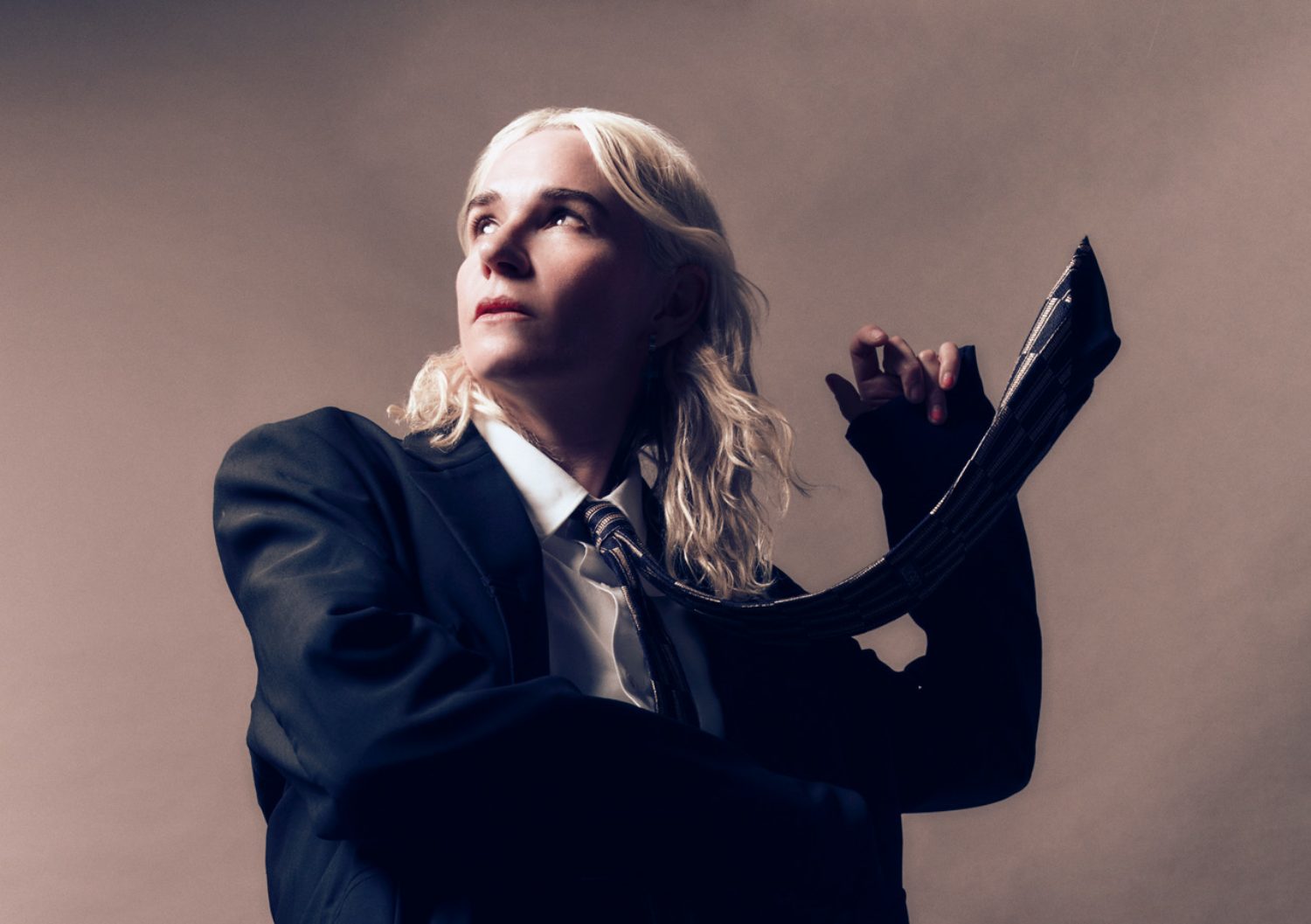
HAAi (Photo: Sophie Webster)
What can fans expect from your set at Skyline?
Marge (Blessed Madonna) and I never really have a plan, however, I would imagine a mix of big room tunes, some soulful moments and some high energy house and techno. Marge came up in Chicago, so when we’re in the booth, she’s in charge. It’s always very playful when we get together.
What else do you have coming up this year?
This is a big year for me! I have another album in the works that I’m super excited about, I have a new immersive live show that we’re working on bringing over to LA and I have about 40 (DJ) shows locked for the summer, which feels really exciting!
Mapamota of Serenity Link: Arts District Stage on March 1
What first drew you into the electronic music world, and how has being based in Los Angeles played a role in your career?
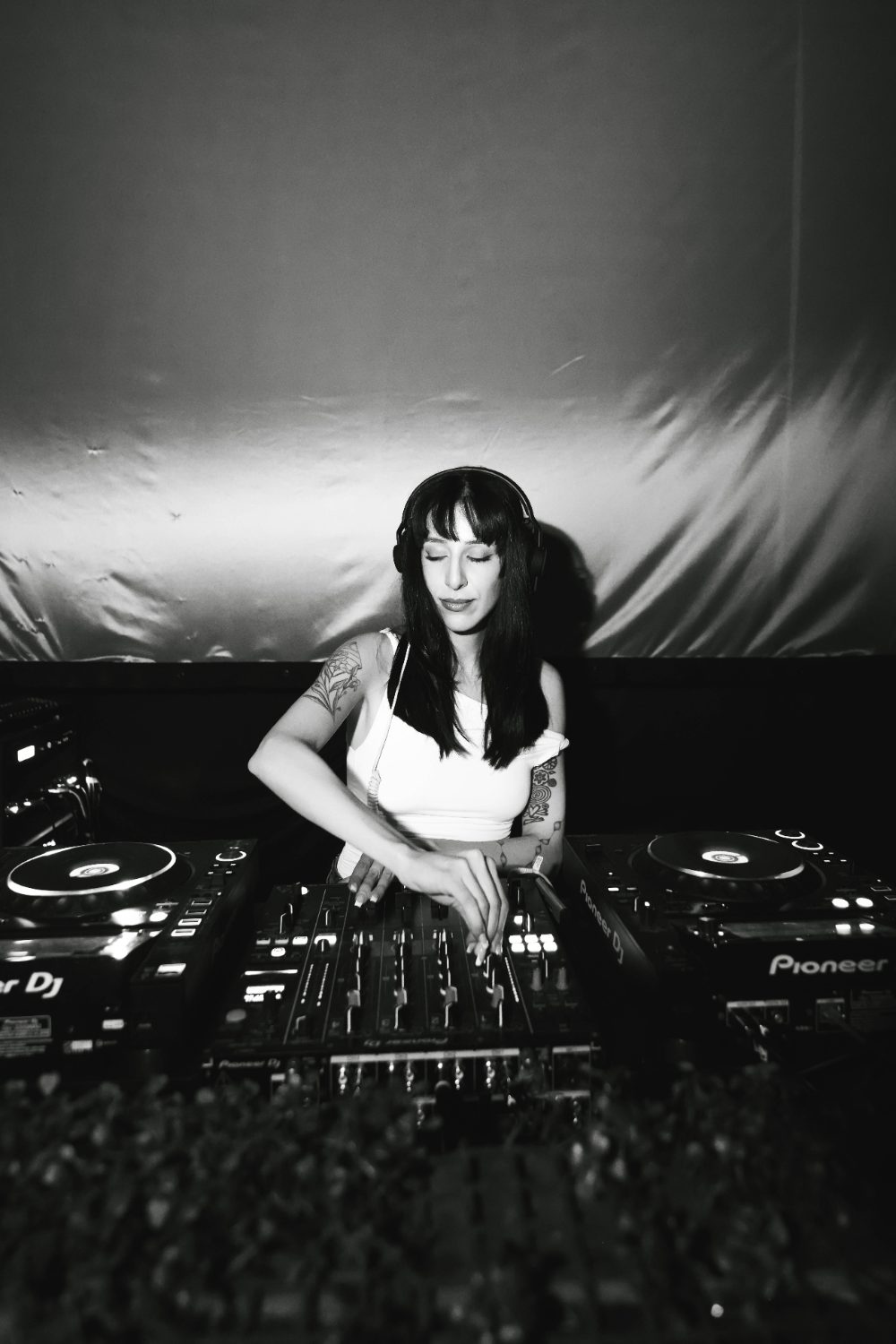
Mapamota (Courtesy of Mapamota)
What first drew me into the electronic music world were the downtown LA warehouse raves I quickly discovered upon moving to Los Angeles at age 18. I fell in love with them because they felt raw, punk, and communal. Through those spaces, I found the music, but the atmosphere of the events and the people who attended them drew me in first.
This felt specific to LA because, more than in any other city in the US, the electronic music scene primarily exists underground in the warehouse format. That makes things challenging, risky, and high stakes, but it also gives promoters far more control and freedom to design and experiment with a space from top to bottom, creating environments that exist (even briefly) outside our everyday structures.
How has the LA underground scene influenced your sound and approach as an artist?
I always say my favorite place to DJ is a sweaty downtown LA warehouse with a proper sound system. The energy is raw, unpretentious, and there’s a real sense that anything goes. LA is home to some incredibly talented DJs, but compared to a city like New York, we take ourselves less seriously. We recognize that DJing is ultimately about connecting with the crowd, reading the room, and striking a balance between pushing more challenging sounds and keeping the dance floor FUN! That ethos has definitely shaped my open-format approach, which leans heavily into genres like hard groove, club, and Latin club.
Can you share a bit about your collective Serenity Link and how it ties into the broader LA creative community?
My collective Serenity Link started after the pandemic, during a time when in-person communal gatherings were desperately needed. Our number one goal has always been to create a space with love and care where people, especially femme, queer, and POC, could feel celebrated, feel joy, and connect with like-minded individuals. A space where they could form friendships at a party with a really good sound system and DJs who understand the intensity and hunger of our crowd, all while honoring and upholding the Black roots of electronic music.
Our parties have built a devoted, almost cult-like following because people can feel that we are doing this for them, and they can feel the love and care we pour into every event. It has been so heartwarming growing over the years alongside other dedicated collectives like Hood Rave, Baile World, Auntie, Closer LA, Tunnel, and Direct Drive, who are each helping shape the LA underground into the thriving scene it is today. I have always felt a very collaborative, non-gatekeeping energy from these collectives, where we share resources, consult with each other, and even plan calendars together to minimize same-night oversaturation. It takes a village.
What does it mean for you to play Skyline?
I really appreciate the way a big player like Skyline has taken the time to highlight and give recognition to local DJs and organizers. I think that’s why our scene has been so welcoming to a larger, more commercial festival coming to our city and booking the DJs who usually play our parties. I’m so excited to be part of a festival of that size, with that level of production, alongside some legendary international DJs, all in my backyard.
Mesmé, resident of Into the Woods: Arts District Stage on March 1
What first drew you into the electronic music world, and how has being based in Los Angeles played a role in your career?
I came to electronic music through a classical piano background. As a child, I was immersed in classical music and ballet, but my earliest exposure to electronic music came through new wave bands like Depeche Mode, who my mother loved and played often at home. Later, I gravitated toward trip-hop bands and artists like Portishead, Massive Attack, Tricky; music that felt cinematic, spacious, and emotionally unresolved.
In hindsight, I think what drew me from Depeche Mode to trip-hop was not just mood, but structure. Trip-hop also leans on synthesizers and drum machines. There is an electronic thread that connects them. I didn’t have the language for it at the time, but I felt it. On some subconscious level, I was responding to the architecture of the sound.
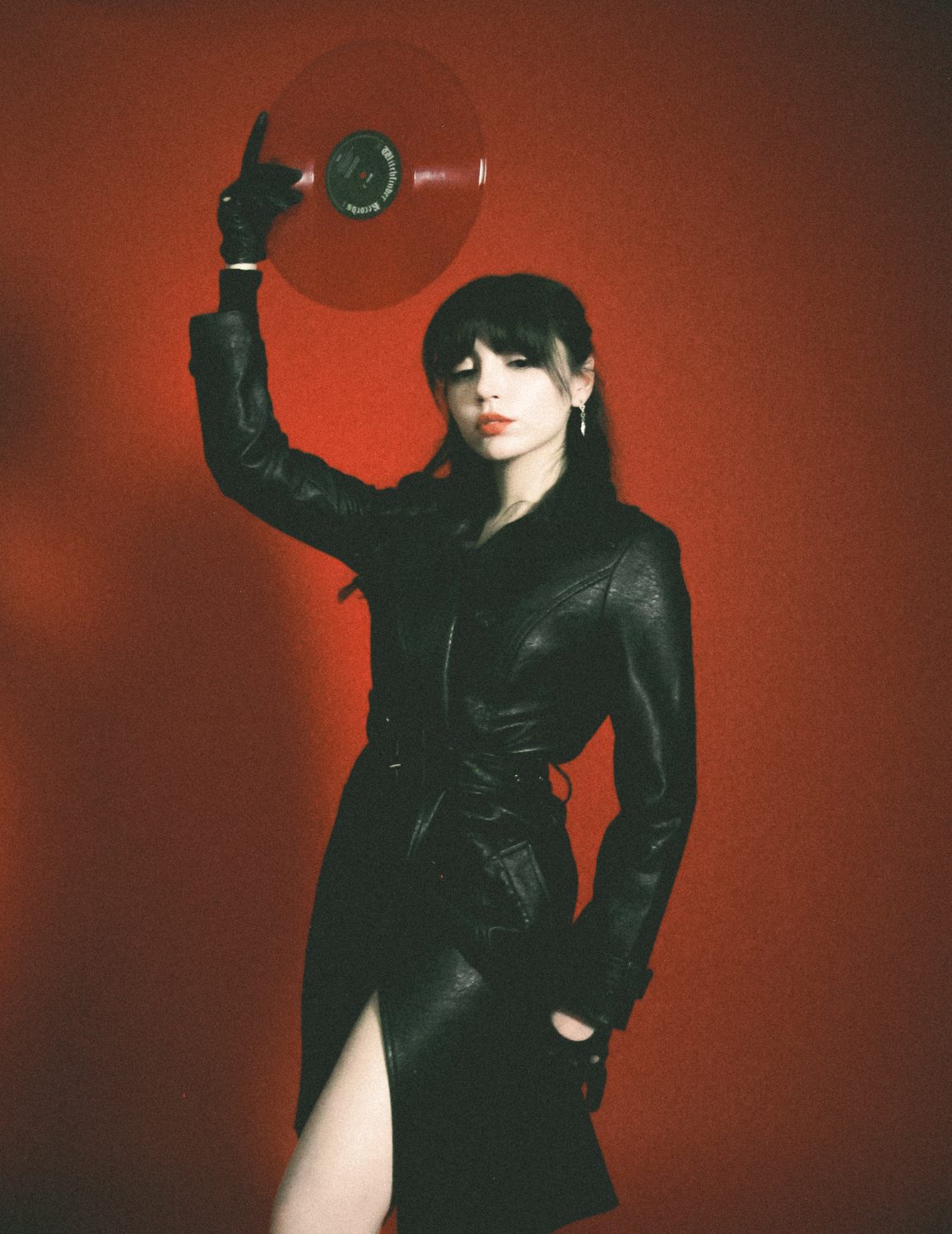
Mesmé (Courtesy of Mesmé)
Classical music and electronic music share more than people assume. Both are built around tension, repetition, motif, atmosphere. Both can be immersive and transportive. I think I was always drawn to that sense of construction and of building emotional worlds through sound.
When I entered high school, my friends and I became curious about nightlife. The environments captivated me long before the music did. I was drawn to the dim light, the anticipation in a room, the sense that something might unfold. But often the soundtrack felt disconnected from what I was searching for. I would catch fragments like a bassline, a pad wash, or a moment of tension and hold onto them. Those fragments became a compass.
From there, a long, obsessive search would begin. Anyone who loves music knows what I’m talking about — the quiet thrill of digging. Hearing something that almost hits, or perfectly hits, and wanting more. I built my taste slowly, deliberately. That pursuit shaped everything. DJing became an extension of that instinct: to search, to curate, to construct emotional arcs from sound.
Los Angeles was where that instinct matured into commitment. The Mesmé project didn’t begin here, but it found its voice here. I built my collection in this city. I threw my first parties here. I learned how to hold a room here. LA gave me space to experiment and the cultural density to grow. It is where the idea became a practice, and the practice became a discipline. I owe a lot to this city, and I’m really proud to be a part of its vibrant electronic music community.
How has the LA underground scene influenced your sound and approach as an artist?
The LA underground teaches resilience. Warehouse parties get shut down. Venues disappear. Permits fall through. And yet, every weekend, something returns. There is a determination here to gather and build community regardless of friction. That persistence shapes you.
Los Angeles is deeply multicultural, and that reality is reflected in its dance floors. On any given weekend here you can find techno, house, electro, Latin club, ambient, experimental, disco, minimal — each with its own ecosystem. That plurality encouraged my curiosity and discouraged strict allegiance to one sound. It’s made me attentive to texture and context.
The scene here also reinforces a DIY ethic. No one waits for permission. If the space you want does not exist, you create it. You find a warehouse, assemble a system, design the flyer, invite the people. Observing that culture influenced how I approached my own work.
LA warehouse culture carries weight. The scale and the sound demand care. You learn that a room has its own rhythm, and that pacing matters. That awareness has deeply informed how I construct a set.
Can you share a bit about your collective Into the Woods and how it ties into the broader LA creative community?
I’m a resident DJ at Into The Woods, which is an underground electronic music series founded by New York–born producer and DJ Jimmy Maheras, who has been deeply embedded in the LA scene for years. The series launched just under a year after I moved to Los Angeles, and I attended one of the very first parties they ever threw. Luke Hess was headlining that one. That was December 2016, nearly a decade ago. I’m pretty sure I met Jimmy that night, and we connected professionally from there.
The ITW lineups just stood out to me from the very beginning. They blend the different shades of underground electronic music, consistently booking artists I admire while maintaining a cohesive identity. That balance between serious curation and atmosphere is something I really respect.
It has always felt like more than a party, because it exists within a larger creative ecosystem in Los Angeles, a city where musicians, visual artists, designers, and filmmakers overlap. The series connects the musical dots between LA, Chicago, Detroit, NY, the UK, and Berlin, and its audience reflects the city’s diversity. But beyond the music, it also functions as a meeting point, a special place where scenes intersect and new ideas circulate. And that’s been a pleasure to be a part of.
What does it mean for you to play Skyline?
I’m genuinely excited! I don’t often step outside the warehouse context as an LA DJ, so playing in a festival environment feels expansive. I’m used to intimate, late-night rooms where I can build slowly and deliberately. Bringing that approach into a larger setting presents a different kind of challenge, which I really welcome.
Festivals offer scale. As someone whose sound sits slightly outside the mainstream festival template, I don’t always get to present what I do on a stage like this. A festival like Skyline gives me the opportunity to share that sensibility with a broader audience. There’s something powerful about introducing nuance and narrative pacing into a big environment. I’m really looking forward to that exchange. Thanks so much to Kyle Arthur for believing in me! He’s been working really hard to rep the LA underground on these stages, and I feel honored to have made the cut.
Mez Monty of Signal Underground: Arts District Stage on Feb. 28
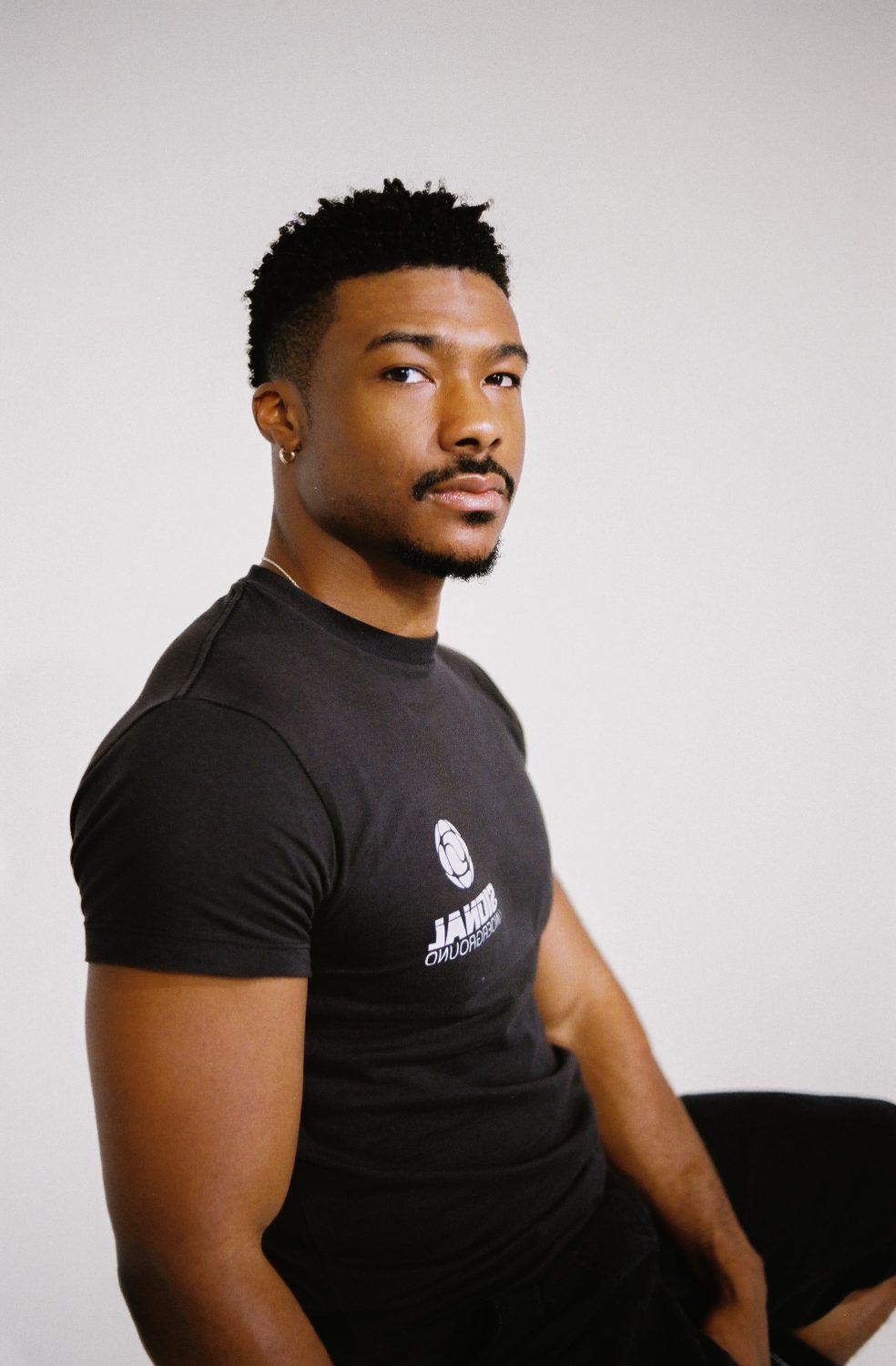
Mez Monty (Courtesy of Mez Monty)
What first drew you into the electronic music world?
I’d credit my first forays into electronic music to my obsession with acts like Disclosure, Flume, and The xx back in high school. After graduating and moving to New York City, I started going out more seriously… that’s when I really fell in love with house music.
Parties like Battle Hymn, where Honey Dijon and The Carry Nation regularly delivered masterclass sets, still shape how I think about what a great party should look, feel, and sound like.
How has the LA underground scene influenced your sound and approach as an artist?
The DIY ecosystem has had a huge influence on me. Throwing my own parties and curating lineups forces me to think beyond just my set — it’s more like, what universe am I creating tonight?
Can you share a bit about your collective Signal and how it ties into the broader LA creative community?
Signal is a melting pot of identities across the spectrum-queer and straight, younger and older heads, dolls and trans men — all coming together around a shared love of house music. Bringing different types of people together has been the intention since our very first party, and it has been amazing to see it come to life.
What does it mean for you to play Skyline?
It’s always nice to be recognized for your work at home. Kyle, who’s been a real bridge between Skyline and the LA underground, has always been super supportive of that work and what we’re building. It means a lot to be included on this lineup alongside my peers and some of the best DJs in the industry.
Perfect Lovers of Por Detroit: playing B2B with Victor Rodriguez – Arts District Stage on Feb. 28
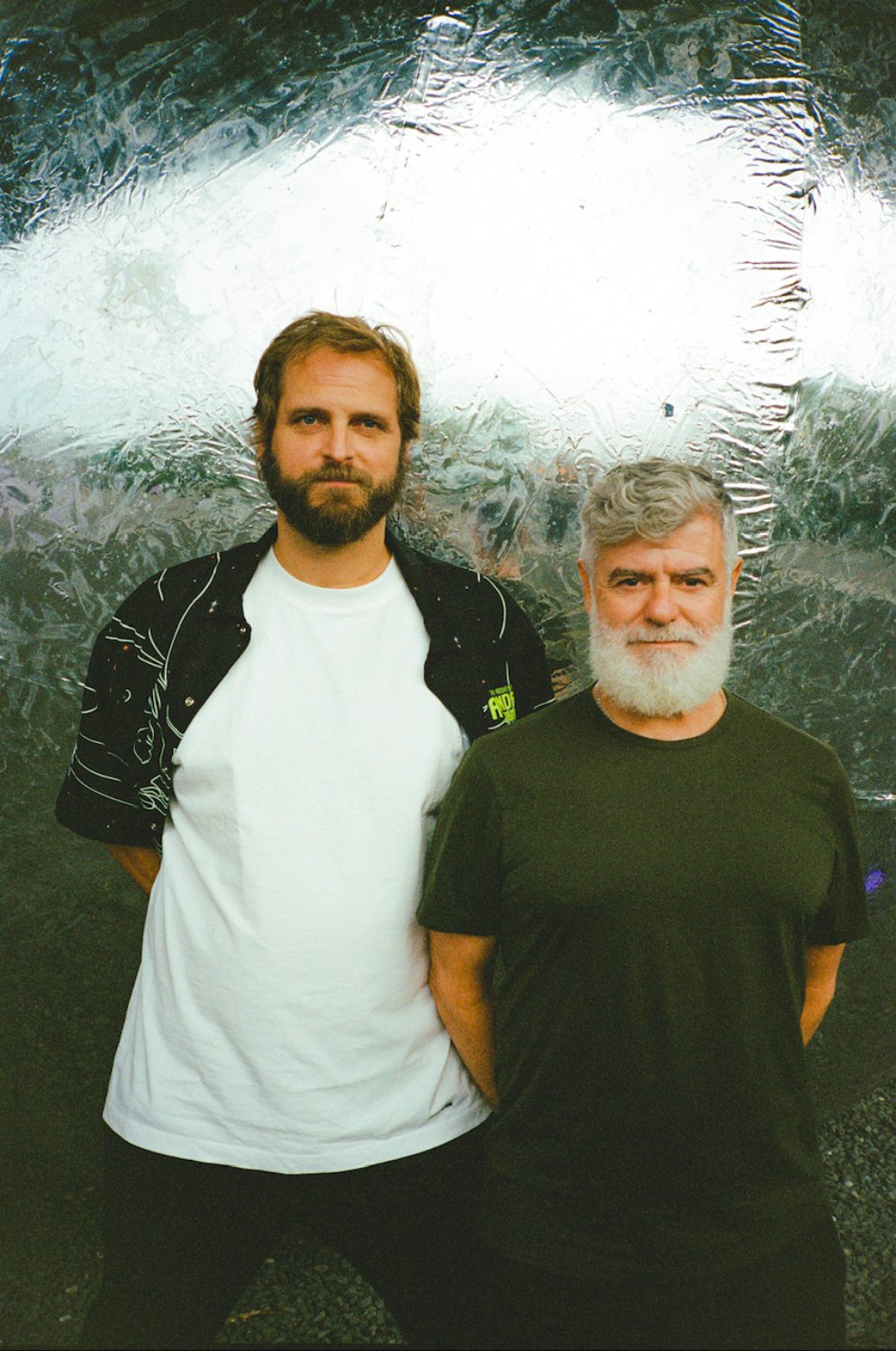
Perfect Lovers and Victor Rodriguez (Photo: Zach Stahl)
What first drew you into the electronic music world, and how has being based in Los Angeles played a role in your career?
Besides the music, the electronic music world was somewhere I could find other misfits and weirdos who rejected the more traditional societal norms that I didn’t adhere to.
How has the LA underground scene influenced your sound and approach as an artist?
LA has such an amazing, multigenerational scene and the influence from my elders has hugely impacted my approach.
Can you share a bit about your collective Por Detroit and how it ties into the broader LA creative community?
I am part of the collective Por Detroit, which I feel attracts a weirder, wilder and more eclectic group of people with a lot of diversity, very representative of LA. We like to include other artistic formats such as performance art, installations, fashion shows, pop up-art shows, tattoos, etc which bring in more expression from the creative community.
What does it mean for you to play Skyline?
I love LA and the community here, and it’s great to see more intentional queer and local representation alongside bigger international names. Excited to see LA out in full force.
Victor Rodriguez of Bears in Space: playing B2B with Perfect Lovers – Arts District Stage on Feb. 28
What first drew you into the electronic music world, and how has being based in Los Angeles played a role in your career?
My introduction to electronic music was from disco in the mid 70’s with artists like Giorgio Moroder, Gino Soccio, Cerron, moving to New Wave and then house from there, basically the children of disco. LA loved disco, despite rock getting most of the attention. At its peak, we had three all-disco radio stations. I still have all my top 100 newsletters from then.
How has the LA underground scene influenced your sound and approach as an artist?
I first got involved in the LA underground scene in the mid 1980’s. Started at a party called Plastic Passion, my sound was very eclectic, everything from Xray-Specs to Donna Summer. It still, today, influences my sets. I definitely get bored if I can’t mix it up, and 40+ years later, I still try to bring that spirit with me.
Can you share a bit about your collective Bears in Space and how it ties into the broader LA creative community?
We have been part of the queer LA scene for many years, across multiple parties, and I have to say LA is one of the tightest nightlife scenes I have ever come across. Some of the ways we try to help is we have always offered free entry to our trans brothers and sisters, and also started a mutual aid program giving people in our community micro grants for times of need. These are very scary times and in the end we only have each other to watch out for us. It’s truly a family affair.
What does it mean for you to play Skyline?
I’m very thrilled to be included in such a jewel in the LA music crown.
Star Eyes of Warp Mode: Arts District Stage on March 1
What first drew you into the electronic music world, and how has being based in Los Angeles played a role in your career?
I became obsessed with electronic music and raves around age 12 or 13. I guess it was a natural progression from growing up on new wave/80s synth pop, freestyle and Euro-dance but as soon as I heard some of those early hits by The Prodigy, Moby, and Orbital, I was hooked. It was and still is my “soul” music and my culture. Being an LA-native, I grew up going to underground raves all over California and I started DJing jungle music at age 15 (and have never stopped DJing). I feel like the music I encountered, the skills I learned, the people I’ve met and the creativity of the scene have had a big impact on my whole career, and I don’t think I would have had the same experience if I didn’t grow up in LA! The gritty essence of LA and the music palette I grew up on here influences a lot about how I DJ, and now that I live here again I’m lucky to be surrounded by multiple generations of Angelenos whose vibe is a constant inspiration.
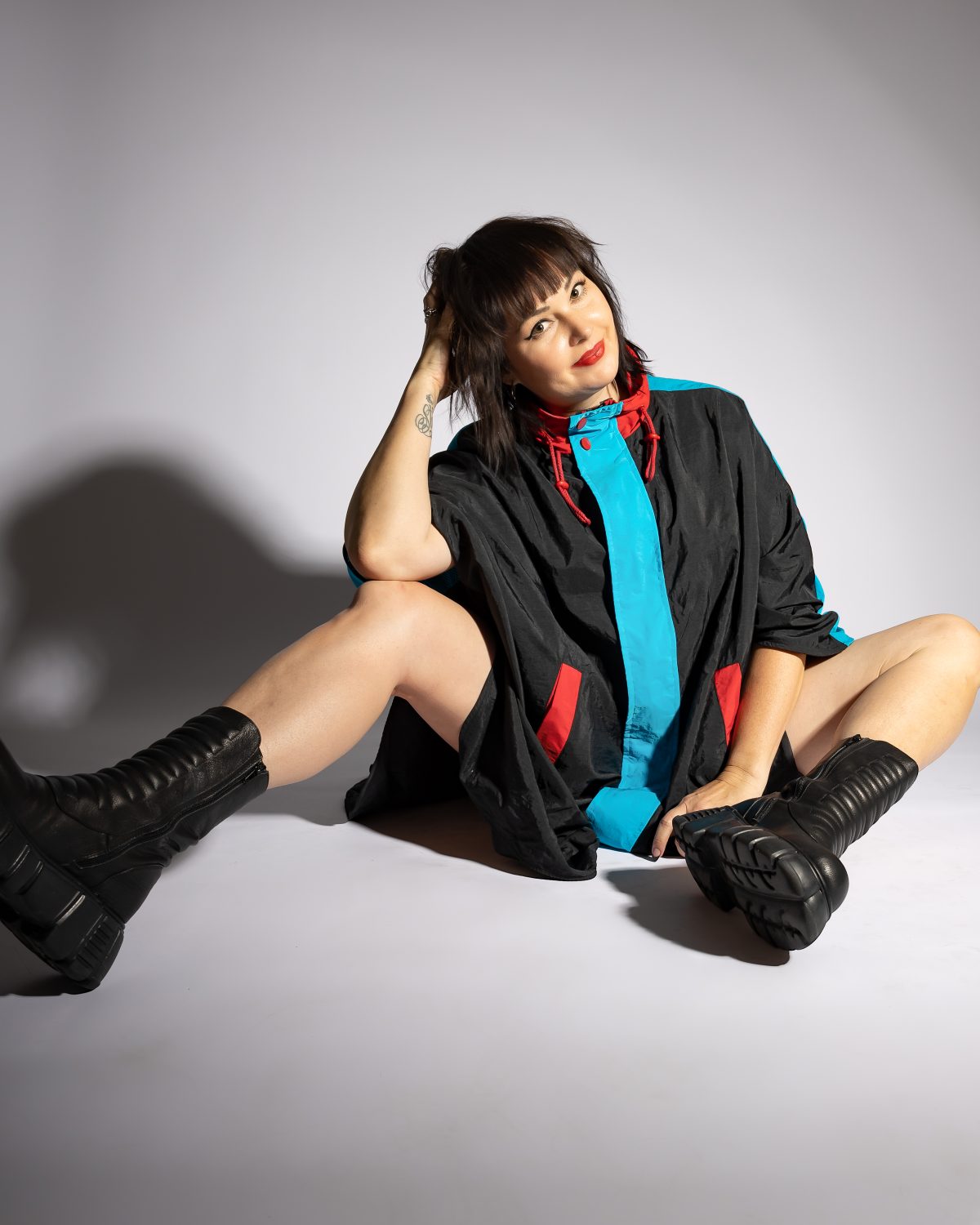
Star Eyes (Photo: Harp Digital Media)
How has the LA underground scene influenced your sound and approach as an artist?
The LA scene has always been super DIY and it’s really about figuring out how to bring your vision to life with the resources you have, so that’s an ethos I’ve always carried with me. It was a fight in the 90’s to make a DJ name for myself, being young, female, and playing jungle, but if anything, that just made me stronger to weather all the different changes and waves that the music and the scene have gone through. I had a lot of mentors that really helped me navigate and figure things out in this world – too many to name, but I’ll shout out Heretic & Josh Swissman from 119 crew, Tamara Palmer from URB, Jarrett Silberman of The Smell, and Tomas Palermo from Umoja Hi-Fi and the band Slug, as some of the LA folks who were really influential on me as a teen.
Can you share a bit about your collective and how it ties into the broader LA creative community?
My crew is called Warp Mode. It’s me, Bianca Oblivion and AK Sports; we throw events and release our own music. Warp Mode is a home for our sound — a cross-genre of bass, breaks, rave and harder global club sounds — and was also created as a response to a lot of the parties we played pre-pandemic, which were largely straight male-dominated. With our events, we strive to be more inclusive of femmes, queer folks, and POC, and just generally create a more fun and less formulaic atmosphere in the lineups we book, the people we invite and the overall vibes.
It’s a really exciting, creative time in Los Angeles right now, and there is a lot of solidarity and love in our section of the underground. Despite all the challenges we face — a lack of nightclubs/event spaces, draconian laws, police violence, ICE raids, lack of support for the arts — the DJs and promoters around us are modeling resilience, DIY ethics, generosity and unity. Underground events are a playground to test out new creative ideas and model new ways of being, and they are a hub for creative people as a whole to meet and collaborate, whether that’s fashion, art, music, technology. Being underground promoters, we are literally at one with the LA streets and the landscape so it really feels like we belong to the city and the city belongs to us.
What does it mean for you to play Skyline?
The curation of the Arts District stage is such an amazing representation of our local underground community, and I’m so stoked to be playing alongside DJs like DJ Warning, BB Shaine, CQUESTTt, Mapamota and Juliet Mendoza, among others. The whole lineup is also world-class, so it will be fun to run around to all the stages and get my dance on. I love playing music outside so I’m looking forward to playing in the middle of downtown, an area at the heart of a lot of what we do. AND! It’s always something special to play for Factory 93/Insomniac because I was a regular at the early Insomniac raves (when they were 400 people, not 40,000 people!) and they had a huge musical influence on me, so it’s nice to be home. 😉
For tickets and more information about Skyline Festival, visit skylinefest.com.
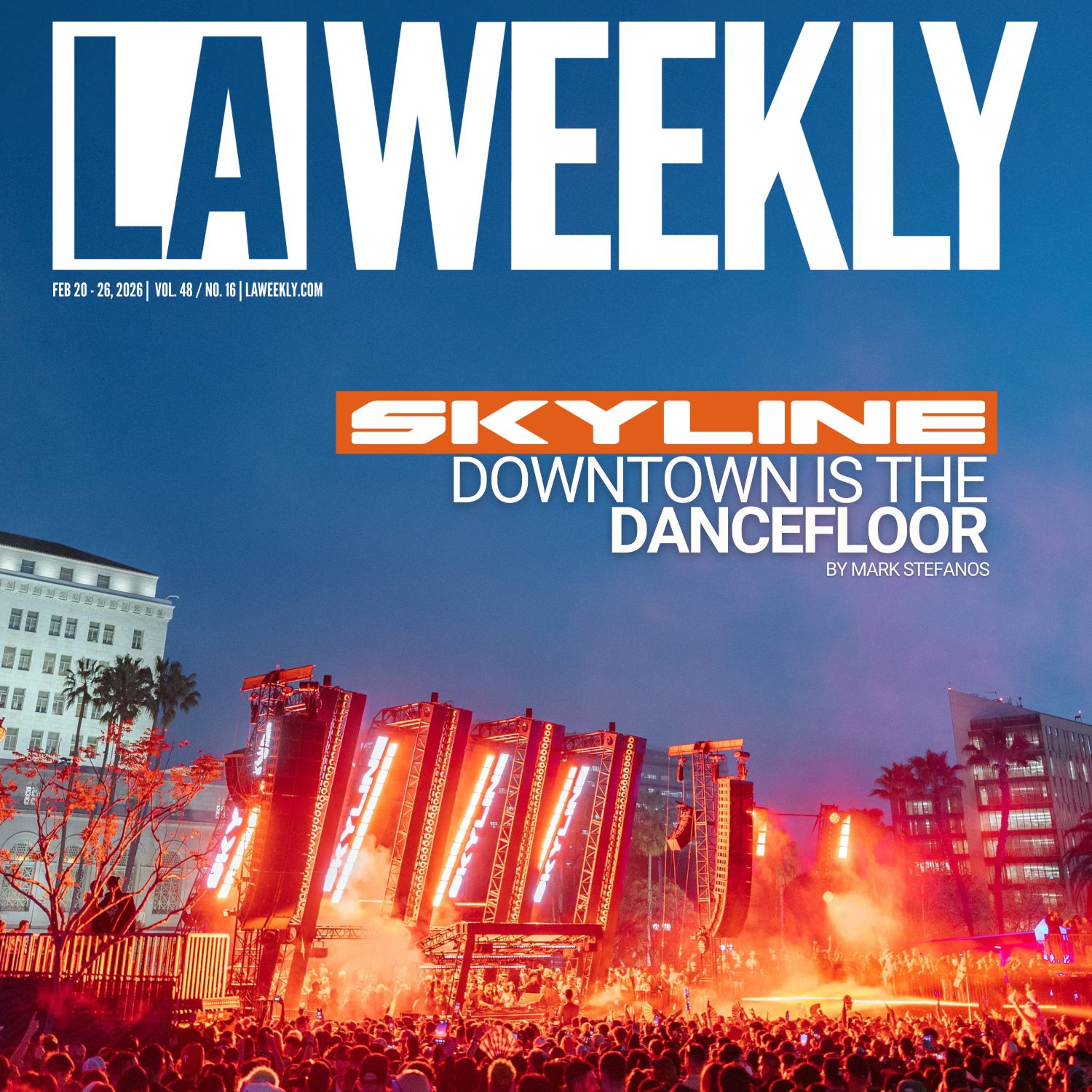
Skyline Festival on the Feb. 20, 2026 cover of LA Weekly. (Photo: Jamal Eid for Insomniac Events; Cover design: Mark Stefanos)