
 Grace Butler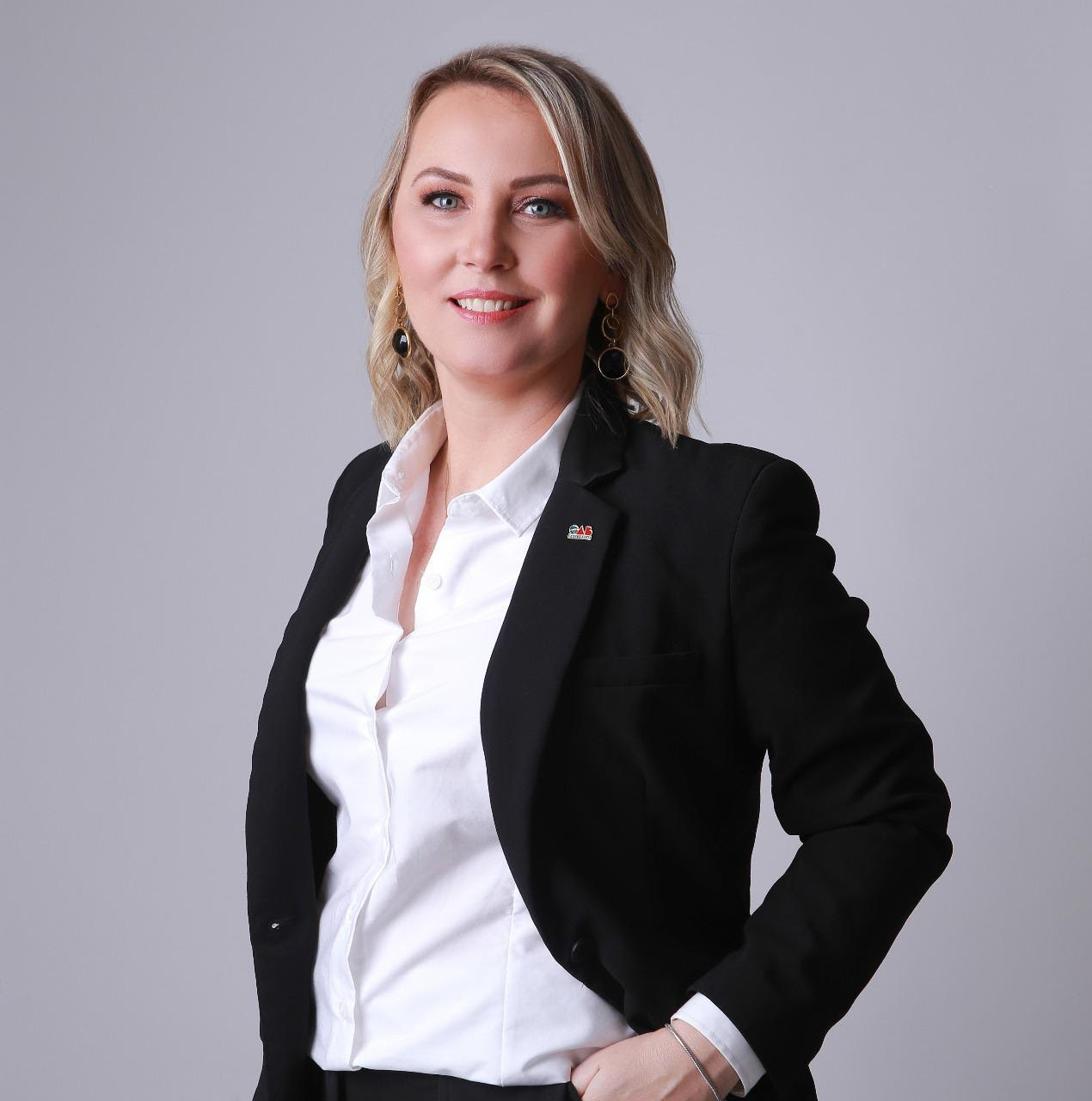
Image Credit: Leidy M. Benthien de Lima
As Brazilian entrepreneurship gains global momentum, small and medium-sized enterprises (SMEs) are increasingly looking beyond national borders to expand their markets. Yet, while the global stage offers promising opportunities, it also presents complex legal hurdles that many small businesses are unprepared to navigate.
According to attorney and legal consultant Leidy M. Benthien de Lima, the success of international expansion hinges on strategic legal planning from the outset. “Many entrepreneurs are focused on commercial goals, but forget that each country operates under its own legal ecosystem,” she explains. “Without the proper legal structure, international expansion can lead to unexpected liabilities, regulatory violations, or unenforceable contracts.”
Laying the Legal Groundwork for Expansion
One of the most common missteps among Brazilian SMEs, Benthien notes, is neglecting to align their contracts and operations with foreign legal standards. “It’s not enough to translate your contracts into another language. You have to adapt them to the legal norms, dispute resolution mechanisms, and regulatory expectations of the foreign country,” she says.
Benthien, who has practiced law since 2007 and currently advises clients from her office in Blumenau, Santa Catarina, specializes in business, civil, and contract law. She has guided numerous Brazilian companies through the intricacies of international contracts, drawing on her extensive academic background, including postgraduate degrees in Constitutional Law and Contractual Liability.
In her view, cross-border readiness involves everything from intellectual property registration and compliance with consumer and data protection laws to carefully negotiated terms of payment and jurisdiction. “If a dispute arises and your contract doesn’t specify how and where it will be resolved, you may end up tied up in legal battles across jurisdictions,” Benthien warns.
The Pitfalls of Global Negotiations
Benthien often encounters contracts that are either too vague or too one-sided in favor of the foreign party. “Sometimes small Brazilian companies feel they have no bargaining power, especially when dealing with larger international firms,” she notes. “But that’s where legal advice is crucial—to ensure the terms are fair and that your company is protected.”
She also emphasizes the importance of understanding international tax treaties, export regulations, and sanctions that may affect transactions. “You don’t need to become an expert in every country’s laws—but you must work with professionals who can identify risks and help you navigate them,” she says.
Promoting a Culture of Legal Awareness
Beyond her legal practice, Benthien plays an influential role in the legal community. She currently serves as a counselor at the OAB (Brazilian Bar Association) in Blumenau, where she is part of the Ethics and Discipline Tribunal. She is also a former professor of Constitutional and Legal Philosophy, a role that reflects her longstanding commitment to legal education and professional ethics.
Her mission today is clear: to bring legal knowledge closer to entrepreneurs who often overlook it until it’s too late. “International growth should be an act of empowerment, not vulnerability,” she says. “Legal preparedness doesn’t slow down your business—it protects your investments and builds long-term credibility.”
The Global Opportunity Ahead
Brazilian SMEs in sectors like agribusiness, technology, and fashion are increasingly drawing international interest. For these businesses, a global outlook must come with global compliance. “With proper legal guidance,” Benthien concludes, “even the smallest business can negotiate on equal footing and take bold steps into the international marketplace.”
As Brazil continues to position itself as a hub for innovation and entrepreneurship, experts like Leidy Benthien are helping to ensure that legal oversight doesn’t lag behind ambition. For the country’s growing class of global entrepreneurs, her message is simple: prepare wisely, and the world is within reach.