
 Wyles Daniel
The city has more Pilates studios than it has instructors ready to run them. The British educator has spent three years fixing that problem in other people’s markets, and now she is coming to ours.
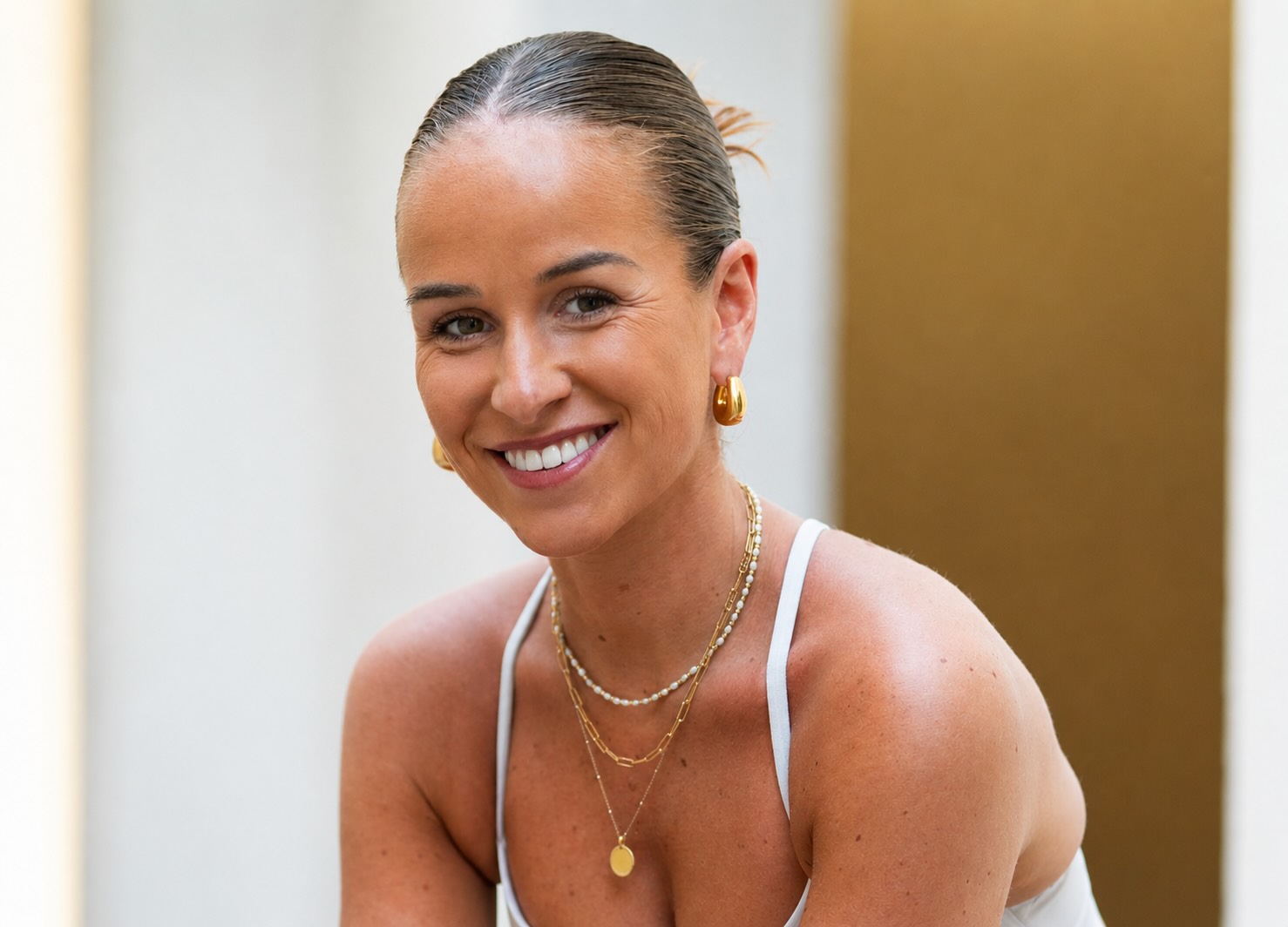
Count the reformer studios on a two mile stretch of Abbot Kinney, or Sunset, or Ventura. Then count the people qualified to teach in them. The second number has never kept up with the first, and in Los Angeles nobody talks about it, because the storefronts keep opening and the classes keep selling out and the problem only shows up in the part of the business no member sees.
It shows up in the teaching.
Anyone who has taken class in this city knows the pattern. You book a studio, not an instructor, and what you get on a Tuesday morning bears no relation to what you got on Saturday. Same equipment, same room, same price, entirely different hour. The industry treats this as personality. It is not personality. It is a training failure, and Los Angeles has more of it than almost anywhere because Los Angeles scaled faster than anywhere.
Certification is a starting line the city treats as a finish line
Here is what a Pilates certification actually produces. It produces someone who knows the repertoire, understands spring tension, can name every part of the apparatus and has passed an assessment proving it. That is real knowledge and it took real work.
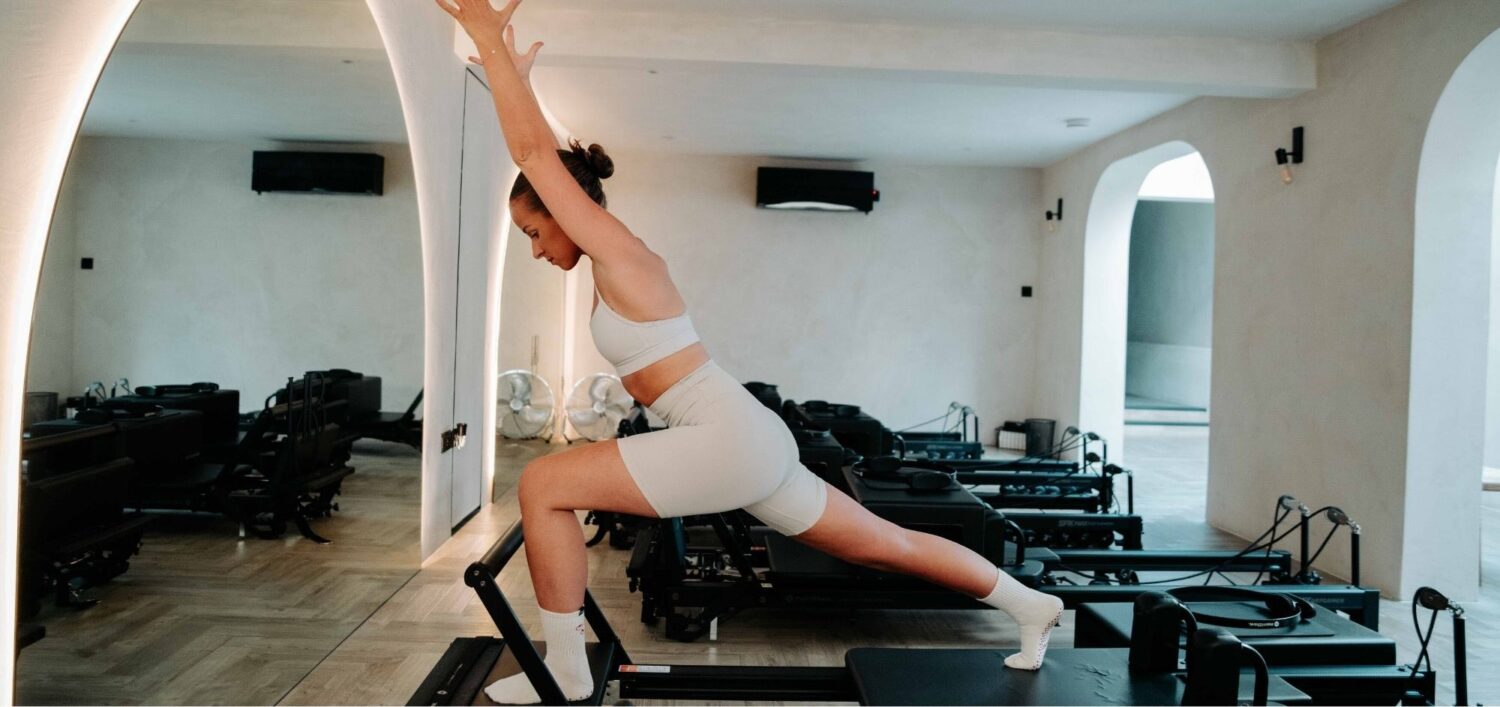
Here is what it does not produce. Someone who can hold twelve people at three different ability levels for fifty minutes. Someone who can watch a client’s hip drop mid movement and change the cue before it becomes an injury. Someone who can build a class that goes somewhere instead of just being hard. Someone with the confidence to teach in their own voice instead of doing an impression of whoever trained them.
That distance between the qualification and the job is where most new instructors live for their first two years, alone, learning on paying members.
Charlotte Saunders named that distance and built a business on it. The British educator founded The Instructor Gap in May 2026 specifically to close it, running intensive three day courses, workshops commissioned by studios for their own teams, and one to one mentoring for instructors across several countries. In November she comes to Los Angeles, invited to work at Fire Pilates Club, a waterfront studio slated to open in Marina del Rey.
What she has been doing everywhere else
Saunders came up through dance before Pilates, which is a more common route into serious teaching than the industry admits. She trained at Bird College, qualified as a personal trainer in 2019 and certified on the reformer in 2022, and within a few years was running training for VAURA in Dubai and then Singapore, responsible for whether entire coaching teams could actually teach.
She has personally onboarded and mentored more than 30 instructors, and led workshops for another 30 across two countries. In February she was an invited educator at Form Fest in Dubai, the first Pilates festival held in that region. She has built teaching standards in the United Kingdom, Australia, Singapore and the UAE, four markets with four different ideas of what a good class is.
That is a specific kind of expertise, and it is not glamorous. Nobody posts about the person who fixed the cueing.
The part LA gets wrong about longevity
There is a second thing Saunders talks about that this city should hear more carefully.
Teaching movement is physical labor. In Los Angeles it is also gig labor, spread across three studios, stitched together from early mornings and evening doubles, with instructors accepting every shift offered because the schedule is the income. Saunders has spoken plainly about what that does to people, and about boundaries as a professional survival skill rather than a wellness slogan. Saying yes to everything, in her framing, produces burnout, not a career.
Los Angeles has an enormous population of fitness professionals in their twenties and a strikingly small population in their forties. The industry rarely asks where everyone went. They went to jobs that let them sleep.
An educator who treats instructor sustainability as part of the curriculum is addressing something structural here, not offering self care advice.
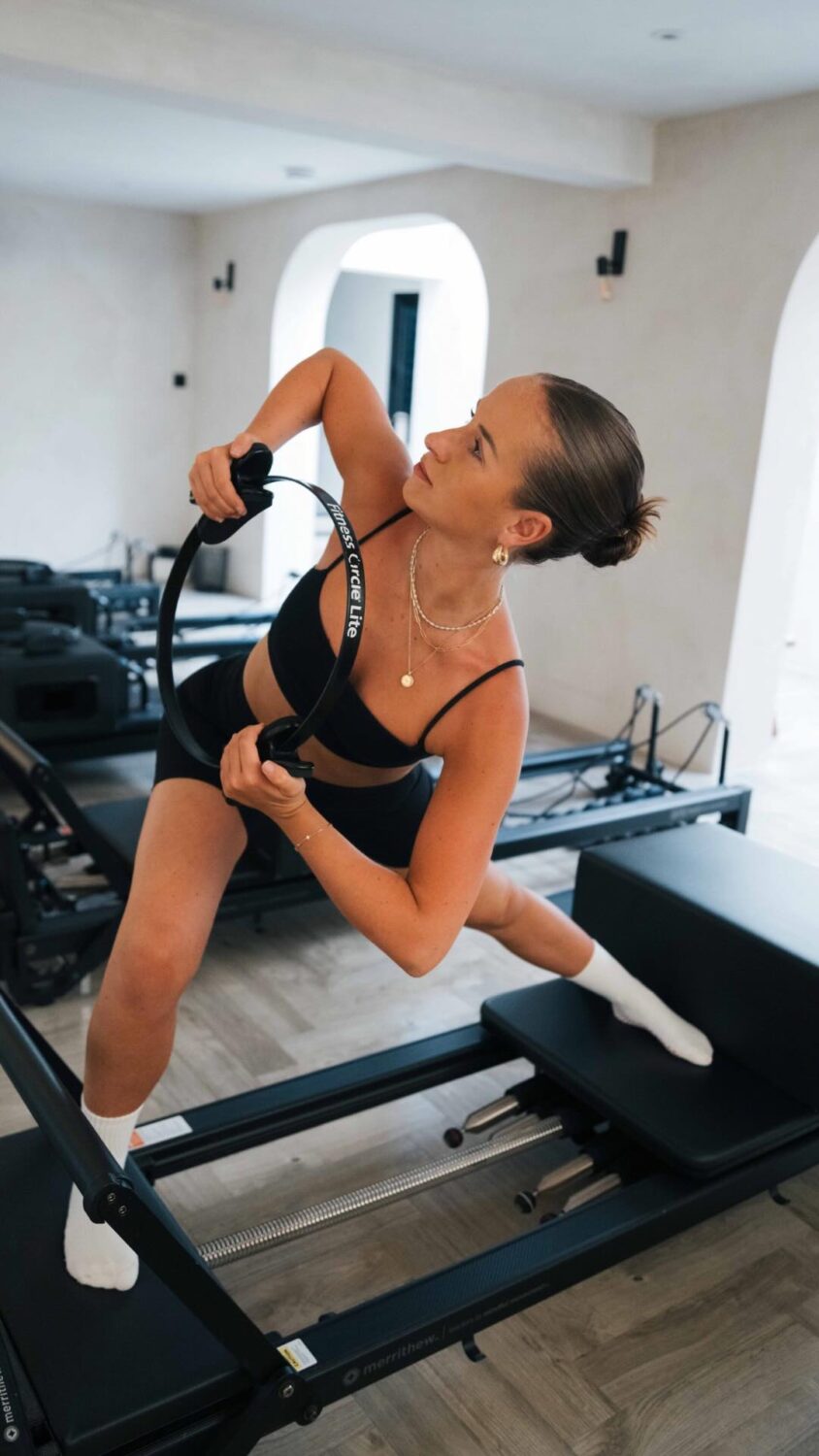
What actually arrives in November
Not a celebrity trainer. Not a method with a trademark. An industry expert whose entire professional output is other people’s competence, arriving in a market that has built spectacular studios on top of a teaching workforce nobody has invested in.
The reformer boom in this city is not slowing down. What happens next is decided by whether the people teaching in all those beautiful rooms get better or get replaced. Los Angeles has spent a decade solving for supply. Saunders spends her time on the thing supply cannot fix, which is whether the hour is any good.
Her advice to instructors starting out is almost aggressively unfashionable: be present, stay authentic, keep learning, trust the process. In a market that sells transformation in six weeks, that reads as a rebuke.
It is also the only thing that has ever produced a teacher worth booking twice.