
 Matthew Kayser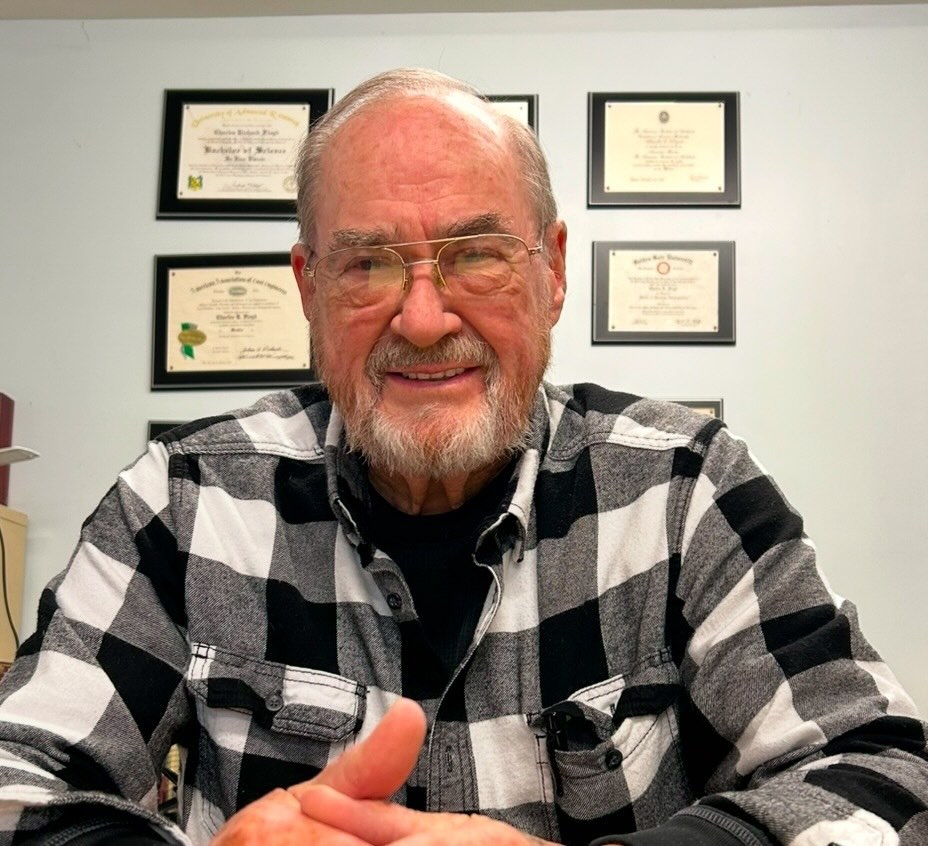
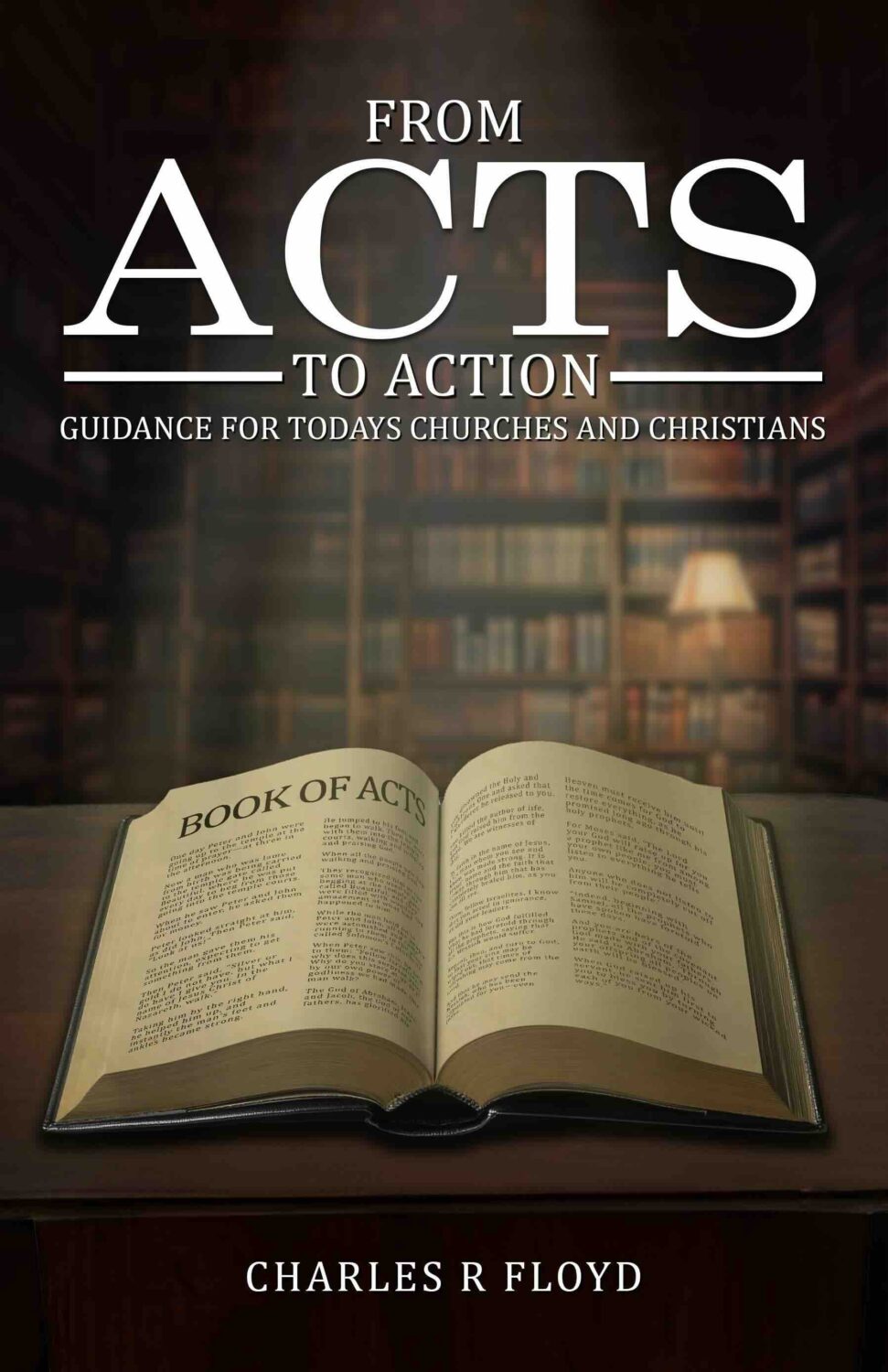
In the sprawling, diverse tapestry of Los Angeles, where spiritual journeys are as varied as the city’s neighborhoods, a new voice emerges with a timeless message. Charles R. Floyd, a Navy veteran, project manager, and legal scholar, is not your typical theologian. Yet, it is precisely his unique, multifaceted life that informs the compelling wisdom found in his forthcoming book, From Acts to Action: Guidance for Today’s Churches and Christians.
Floyd’s manuscript is a deep, methodical excavation of the New Testament’s Book of Acts, but to label it mere biblical commentary would be a disservice. This is a field manual, born from two decades of hands-on consultation with over 2000 churches, arguing that the same forces that shaped the earliest Christian communities are still at work today. For a city perpetually in search of authentic connection and purpose, Floyd’s work offers a grounded, practical lens on ancient truths.
Deconstructing Acts to Rebuild Faith
The manuscript is strategically divided into two parts: “Internal Forces” and “External Forces.” Floyd identifies fourteen specific instances in Acts where these forces catalyzed growth and multiplication within the church.
In Part I, he explores internal catalysts, such as the profound unity and selflessness of the first believers in Acts 2, and the transformative, albeit disruptive, inclusion of Paul, a former persecutor, into the faith’s leadership. Floyd’s take on these events is enlightening. He frames the early church’s communal living not as a forgotten utopian ideal, but as a powerful example of a “lifestyle testimony” so compelling that people were drawn to it organically. “They truly needed to be included in this wondrous event,” Floyd writes, pointing to a model of community that feels especially relevant in an often-isolating modern world.
When discussing Paul’s rigorous training of his protégé Timothy, Floyd’s inner project manager emerges, outlining a “biblical outline of how to deal with the staffing of a church.” He stresses vetting, spiritual maturity, and disciplined leadership, applying first-century narratives to twenty-first-century organizational challenges.
Part II examines external pressures, such as the political and religious persecution faced by Peter and John. Here, Floyd’s legal mind shines as he dissects their courtroom defense, framing it as a masterclass in civil disobedience rooted in unwavering conviction. He draws a clear line from these ancient confrontations to the modern challenges churches face, from complex government regulations to shifting cultural norms. His analysis is not one of alarmism, but of sober strategy, urging a response of boldness and grace, guided by principle rather than fear.
A Message for LA’s Spiritual Seekers
What makes From Acts to Action particularly notable for an LA audience is its unwavering focus on practical application. Floyd consistently asks “What now?” at the end of each exegesis. His applications for the individual are refreshingly personal; he shares his own early struggles in engineering, realizing only in hindsight that solutions that came to him in the night were likely the gentle coaching of the Holy Spirit. This relatable vulnerability demystifies the concept of divine guidance, presenting it as accessible and real.
For a city characterized by both its deep faith communities and its vast population of spiritual “nones,” Floyd’s work serves as a bridge. It speaks respectfully to the devoted churchgoer seeking deeper maturity, while also providing a logical, structured entry point for the curious intellectual skeptical of abstract religiosity.
Charles Floyd has built a life on the foundations of service, analysis, and construction. With From Acts to Action, he lays a new cornerstone. It is a work that asserts the Book of Acts is not a closed historical record but an open, ongoing story. “You and I have our own chapters in Acts,” Floyd concludes. In a city forever writing its own story, his manuscript is an invitation to pick up the pen, informed by the past but focused squarely on the action required today.
The Foundation: A Life of Service Informing Faith
To understand the book, one must first understand the author. Floyd’s biography reads like a map of a life dedicated to service and structure. A veteran of the Cuban Blockade and Vietnam War, he learned discipline and resilience early on. He then channeled these traits into a successful career managing complex construction projects, literally building the frameworks for communities to gather. Later, he would add a Juris Doctorate to his credentials, sharpening his analytical mind on the fine points of law.
This background is the secret ingredient of From Acts to Action. Floyd doesn’t approach the Bible solely as an academic or a distant pastor; he approaches it as a builder and a problem-solver. He sees the early church not as a historical relic, but as a startup organization facing internal growing pains and external market pressures. His analysis is structured, clear, and focused on actionable outcomes; how did the first Christians navigate conflict, persecution, and growth, and what precise lessons can we extract?