
 Will Jones
On any given night in Los Angeles, someone is discovering Vogue for the very first time.
Some arrive because they saw it in a music video. Others watched a performance online. Some simply want to dance. What many don’t realize is that behind the movement lies a culture, a history, and a community that has shaped generations of artists.
As Vogue continues to appear on concert stages, social media, television, and commercial projects, a new question emerges: What happens when a dance form born inside Ballroom culture reaches the mainstream?
For Los Angeles–based Vogue dancer, choreographer, educator, and House of West leader Nastya West, the answer isn’t about Ballroom disappearing. It’s about Ballroom expanding.
“People often think that if something becomes more visible, it loses its roots. I see it differently. Visibility can create opportunities, open doors for dancers, and introduce people to a culture they may have never encountered otherwise.”
Her perspective is rooted in years of experience within Ballroom culture. As a performer, choreographer, judge, educator, and leader within House of West, Nastya West has spent her career helping preserve the culture while introducing it to new audiences.
Ballroom Is Still the Heart
While Vogue has become increasingly visible, Ballroom remains the foundation from which it emerged.
Created by Black and Latino LGBTQ+ communities, Ballroom has long provided a space for self-expression, creativity, resilience, and chosen family. The culture continues to thrive through Houses, Balls, community leaders, and new generations of performers. Mainstream visibility does not replace Ballroom. If anything, it often sparks curiosity that leads people back to it.
For many dancers, their first exposure to Vogue happens outside the Ballroom. Their deeper understanding begins when they learn where the movement came from and who created it.
According to Nastya West, that educational component is essential.
“The world is fortunate to experience Vogue as an art form. But with that opportunity comes responsibility. We should celebrate the movement while also honoring the people and communities who built it.”

From Ballroom Floors to Major Stages
Years of experience within Ballroom culture have shaped Nastya West’s career as a performer, choreographer, educator, and leader.
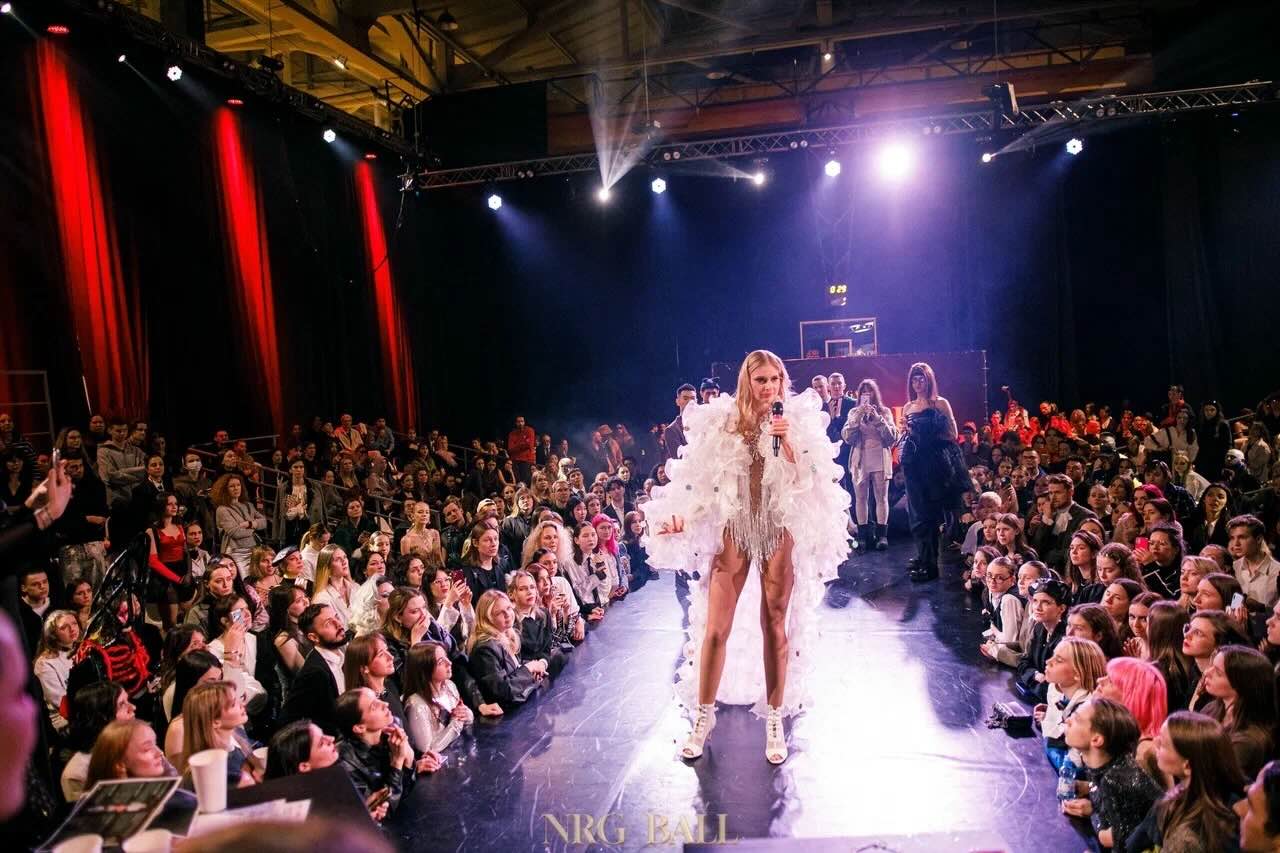
Over the course of her career, Nastya West has earned numerous titles across multiple Ballroom categories, establishing herself as one of the community’s recognized figures. Her accomplishments include multiple victories and recognition at major Ballroom events such as the Dorian Corey Awards Ball, Rumble Ball, Coldest Winter Ever Ball, and Crimes of the Century People’s Choice Awards Ball. These events attract competitors, judges, and spectators from across the United States and abroad. They bring together many of Ballroom’s most accomplished performers, Houses, and cultural leaders.
Through years of sustained competitive success, Nastya West achieved Legendary status, a distinction awarded within Ballroom culture to individuals whose competitive accomplishments, artistic contributions, leadership, and long-term impact have earned recognition from the community.
In addition to competing and performing, she is frequently invited to serve on judging panels at Ballroom events, evaluating the work of competitors and emerging talent. These invitations reflect the respect, expertise, and standing she has established throughout her career.
Beyond competition, Nastya serves as one of the leaders of House of West, one of the recognized Houses within Ballroom. In this role, she helps guide the artistic development of House members, mentors emerging performers, creates artistic projects, prepares competitors for major Balls, and contributes to shaping the House’s creative presence nationally and internationally.
After years of competing, judging, mentoring, and creating within the culture, Nastya West has witnessed firsthand how Ballroom continues to evolve while remaining connected to its roots. Her career has taken her from Ballroom floors to concert stages, choreography projects, educational programs, and community initiatives.
Most recently, Nastya West served as choreographer for the opening performance of MUNA’s sold-out tour, bringing Ballroom-inspired movement to audiences across major venues in Los Angeles, New York, and London, with additional performances continuing throughout North America and Europe.
Through projects like these, Nastya continues to introduce Ballroom-inspired movement to audiences far beyond traditional Ballroom spaces.
“When audiences see Vogue on stage, they aren’t just seeing a dance style. They’re seeing the influence of a culture that has inspired artists around the world for decades. For dancers from the Ballroom community, these opportunities can create visibility, employment opportunities, and new professional pathways.”
Rather than existing in opposition to one another, Ballroom and mainstream performance can support each other. Increased visibility often creates curiosity, which in turn leads people to seek out classes, community events, and Ballroom history.
Why People Are Looking for More Than Dance
At the same time, another shift is taking place.
Across Los Angeles, more people are searching for connection, belonging, and community. Many arrive at beginner Vogue classes not because they dream of becoming professional performers, but because they’re looking for a place where they can feel accepted.
This is where much of Nastya’s work now takes place.
Over the past year, she has focused on creating beginner-friendly spaces where people can explore movement without fear of judgment. What began as a series of dance classes has gradually evolved into a growing community of students who continue training, supporting one another, and building friendships outside the studio. She recently launched PURR CATS, a creative collective that brings dancers together through performance, collaboration, artistic development, and community building.
“What keeps people coming back isn’t always the choreography. It’s the feeling that they belong somewhere. I’ve watched people walk into class convinced they couldn’t dance. Months later, they’re performing, supporting each other, and becoming part of a community. That’s the most rewarding part of what I do.”
For many participants, Vogue becomes more than dance training. It becomes confidence, self-expression, friendship, and belonging.
Building Bridges Through Dance
The future of Vogue may not be about choosing between Ballroom and the mainstream.
Instead, it may be about building bridges between the two.
Artists, educators, and choreographers now have the opportunity to introduce new audiences to Vogue while preserving the culture’s history and values.
For Nastya, that balance represents the next chapter of her work.
As a performer, choreographer, educator, judge, and leader within House of West, she continues to contribute to the growth of Ballroom culture while helping new audiences discover and appreciate it.
Whether teaching complete beginners, choreographing for larger stages, judging competitions, mentoring performers, or creating new community spaces in Los Angeles, she sees each project as part of the same mission: helping people connect through movement while honoring the culture that made that connection possible.
“Ballroom isn’t disappearing,” she says. “It’s influencing the world. And I think we’re only beginning to see what that influence can become.”
As Vogue continues to reach new audiences, artists like Nastya West are helping shape how that story is told—one class, one performance, and one community at a time.