
 Mark Stefanos
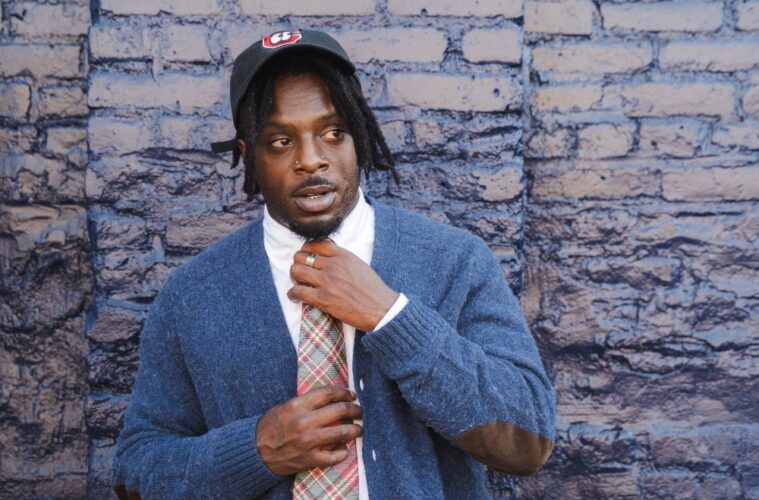
It’s a Tuesday afternoon in Denver, a few hours before showtime, and Isaiah Rashad is in a shirt and tie, like a proper Southern gentleman. Somewhere nearby, his younger brother is playing beats, then pops on screen to say hello. The whole thing feels less like a rap tour than a family operation that happens to have been running for more than a decade.
Near the end of our conversation, I ask about the deluxe edition of It’s Been Awful (the question all the Isaiah Rashad fans in my life wanted me to ask). “We’re working on it,” he says, then takes a slow sip from the cup in his hand. I describe the moment back to him: he said cagily, as he tapped his coffee cup.
“It’s ginger,” he says. “I quit drinking coffee.”
People have spent a year scanning Rashad for clues. Relapse, recovery, another vanishing. This one is ginger.
Next Tuesday, September 29, between two legs touring his latest album It’s Been Awful, billed cheekily as “Lil Sunny’s Awful Road Trip,” Rashad will play a one-nighter at the YouTube Theater dubbed The Anniversary Show — marking 10 years of his debut studio album The Sun’s Tirade, 12 years of his debut mixtape Cilvia Demo, five years of The House Is Burning, and continuing the run of It’s Been Awful.
“This is its own celebration,” he says. “For people that support me from that city, from all over — LA to the people down in Santa Ana, and people that are flying there, too. It’s just a moment outside of the rest of the tour.”
Why in LA? “LA is my second home, bro. I’ve been there mostly for the past decade,” he says. “I got a crib in LA.”
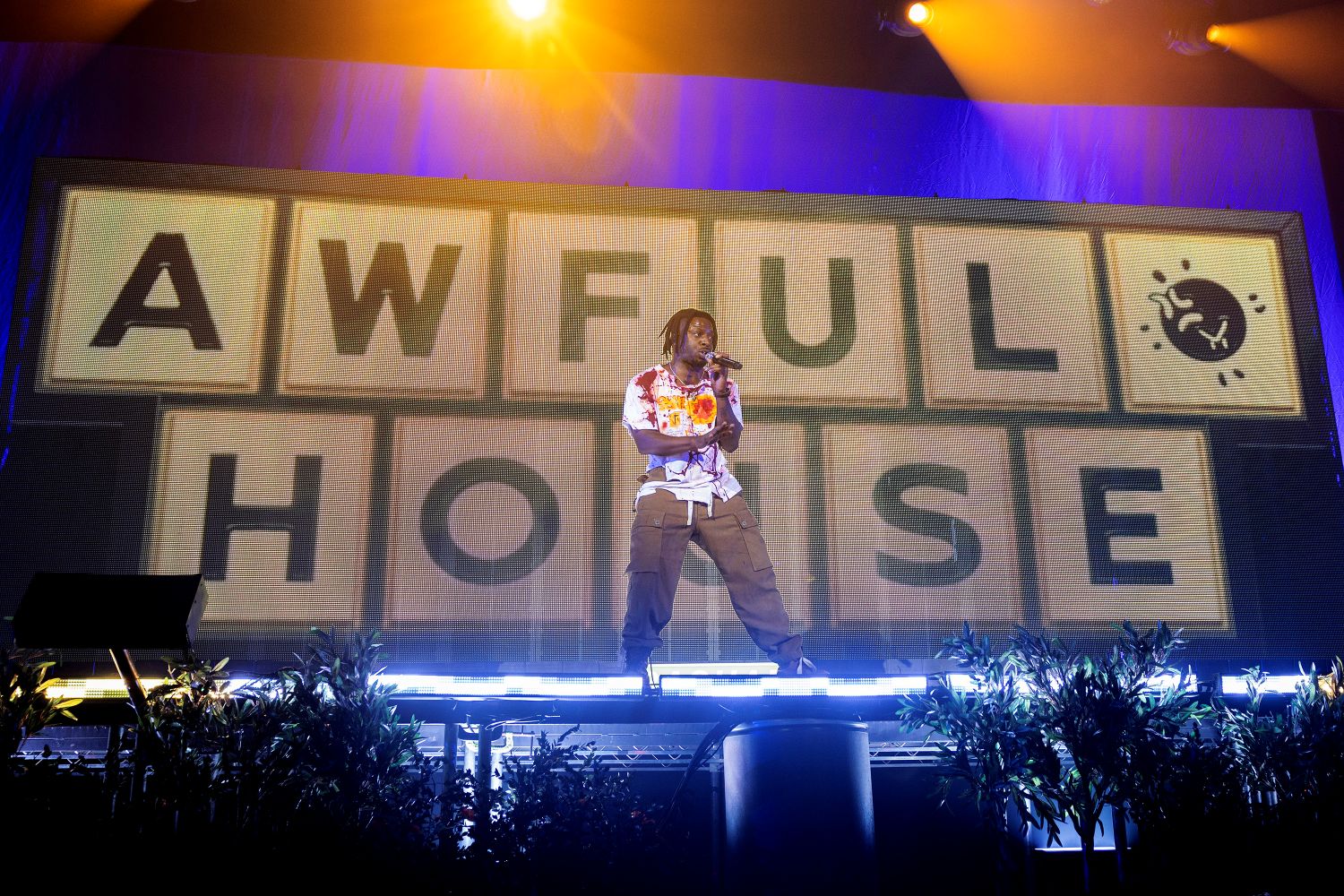
Isaiah Rashad’s “Lil Sunny’s Awful Road Trip” tour at Madison Square Garden on August 22, 2026. (Photo: Santiago Felipe/Getty Images)
Lots of artists are understandably pretty guarded about who they are. Some project an openness but in a deliberately selective way. Some front like they’re hard, or soft or humble. Isaiah Rashad doesn’t give any of that.
At 35, he seems impenetrably, at times frustratingly, himself. There doesn’t seem to be a long distance between what he thinks and what comes out of his mouth — not that he’s just saying whatever, it just seems like he’s not processing his thoughts through a “what should I be saying right now” filter. He talks like he’s got no motive, and what he does say is hearteningly honest and insightful.
If you’re familiar with his music, you get this. Zay has bared his soul across the four albums plus countless tracks that have yet to get official releases.
He has legions of dedicated fans who have grown up with him, tuning in eagerly when he drops music after long stretches, turning up religiously for his shows, and complaining loudly in the comments when their city isn’t listed on his tour schedule. Real Deal OG hip-hop heads give him a rare cosign, and swear by his flow, storytelling and lyricism.
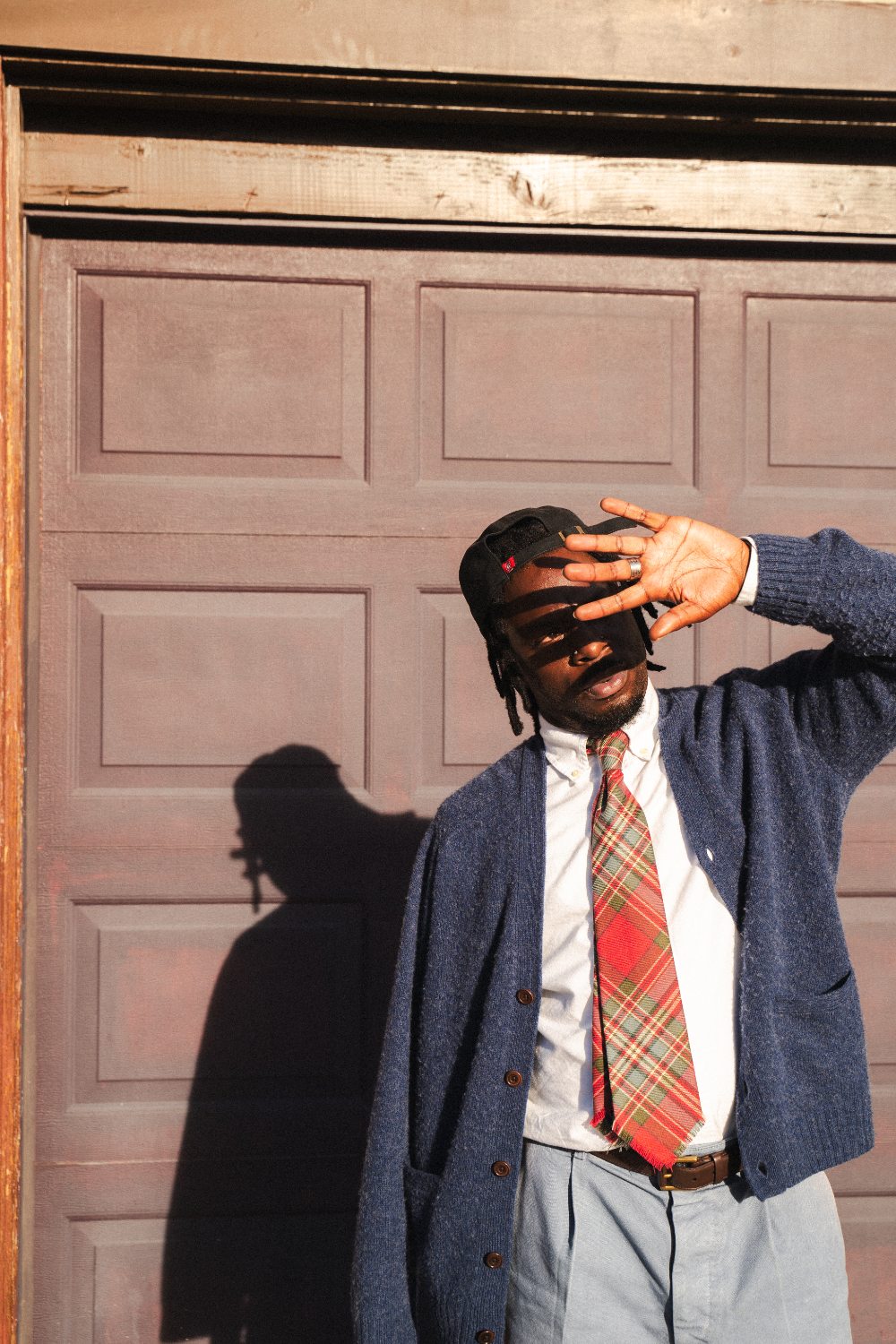
Isaiah Rashad (Photo: Marika Belamarich @marikarosegold)
As the title It’s Been Awful suggests, he’s been through a lot: a long history of addiction that nearly cost him his TDE deal before his debut arrived. The 2022 leaks that blew up his private life and the relapse that followed.
For all the Zay Stans out there, I’m happy to report he seems happy and healthy. And he’s pretty dang funny.
Most notably, he didn’t seem particularly interested in pontificating about where he stands. Ask him to look at the kid who made The Sun’s Tirade and he will tell you that the looking has barely started. “I’m just now slowing down to reflect,” he says. “I’m just now starting to look back and appreciate what I’ve learned. But I was putting myself through a lot of bullshit, bro.”
At the time, he was in his mid-20s, drinking heavily and trying to understand what happened when a private person suddenly became a public one. The pressure came from two directions. There was what he expected of himself, and then there was the version of him everyone else expected to see.
“People don’t talk about the inward expectation versus the outside expectation,” he says. “Some people make it their jobs to track how well you’re doing in comparison to some of the biggest artists. I was going through a lot of mental gymnastics, trying to figure out who I wanted to be. And it didn’t end at that album. That was me probably documenting the beginning of my adulthood.”
Fame could be suffocating. “It used to fuck me up,” he says. “I didn’t even go outside sometimes.” His relationship with the attention has changed as he’s gotten older. It doesn’t seem to trip him up much anymore.
He still hears from people who attach enormous meaning to his music, but the messages have shifted from “you saved my life” to messages easier to receive. “It’s becoming more and more like, ‘your music helped me.’ And I appreciate that more,” he says. “The weight of being a thing, being put on a pedestal — that’s just scary.”
Matt Miller has had a front-row seat. He met Rashad when he was young, back when Miller was running a rap blog in Nashville, and eventually became his manager. He’s witnessed the whole arc. “I’ve seen this dude go through the worst of struggles, the worst of times — times where I didn’t even think we’d make it out,” Miller says. “And he just continues to somehow get to the other side.”
“I’m just a dude.” Rashad says it repeatedly, and the more he explains it, it’s clear it’s not modesty for modesty’s sake. “Words are super powerful for me,” he says. “I have to hold myself to that shit. I’m just a dude trying to figure it out.”
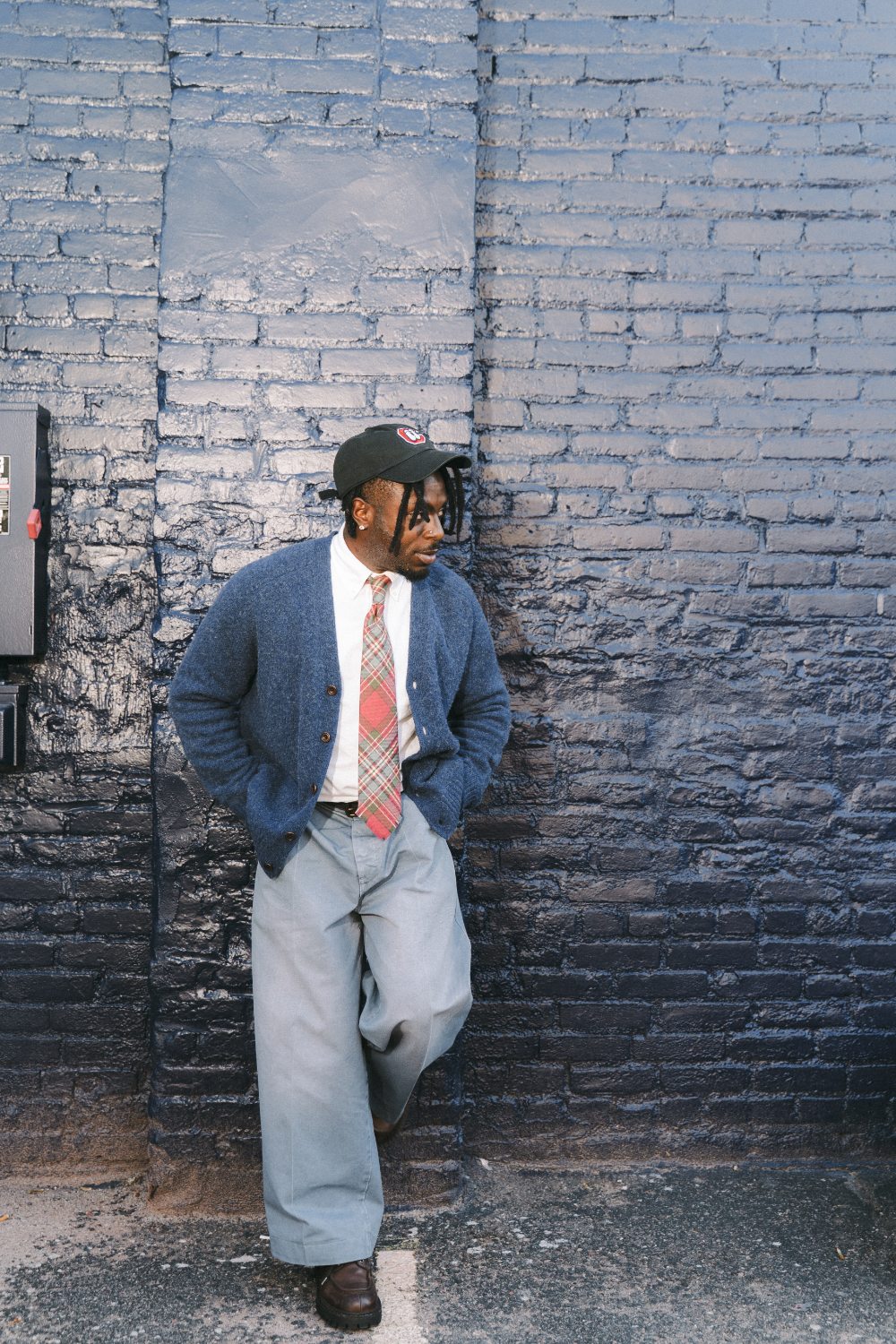
Isaiah Rashad (Photo: Marika Belamarich @marikarosegold)
Researching Rashad will turn up a bunch of lore. Like when he was eight years old in Chattanooga, the story goes, there was a moment where he wanted to be a preacher. But, it’s not really defining, he explains, more just a shaving from his thorough memory. “The next year it was like — no, fuck that, I want to be Master P.”
I try the synthesis on him anyway: same testimony, different pulpit, etc., but he will not take the bait. “I really have settled on I’m just a dude. And I want to encourage other motherfuckers to just be a dude or a chick or whatever,” he says. “Because that’s enough.”
He describes his sobriety in undramatic terms. “It’s mostly like, don’t go to the bar. Once you don’t do that, it’s kind of easy.” His mother “used to pray that I’d lose the taste for certain things. And maybe it worked. It’s like if you quit liking a certain food — once you realize the texture gross you out.” The drinking, he decided later, was cover. “A lot of this shit was escapism. I just wanted to be more social than my baseline.”
He has a 12-step app on his phone. “There’s a meeting going on every three minutes in the world.” Lately he attaches a disclaimer when the questions turn pastoral. “I’m not a counselor. I’m not giving advice to anybody. I’m answering the question because I have no advice.”
12 years in, would he consider himself a veteran at this point? “Veteran?” he quizzes on it. “I guess? — I know a little bit… I don’t know shit though! I’m at the age now where it’s like, I’m acquiring knowledge that wasn’t given to you, that they wanted to keep from you.”
The hardest no comes when I ask where he sits in the pantheon of Southern rap. He almost flinches. “Some of these questions require me to consider myself important, and it’s against my whole mantra right now. I hate seeing basketball players talk about their stats and where they fall in history on the couch — and I’m sitting on the couch. That’s for historians. That’s for you to write, Mark. You tell me.”
Well, I could say something like he’s the post-SoundCloud South’s most durable inward voice, a writer who articulates dimensions of vulnerability like Chattanooga’s rugged transitional chic. But TBH, I’m afraid he’d just roll his eyes. The man is very talented, I’ll leave it at that.
The people next to him do not describe a shrug. Miller describes a man who will recut a finished thing because the tone of one syllable is off. “He’s never like, ‘I’m Isaiah Rashad, the rapper,’” Miller says. “That’s kind of just a byproduct of him being good at making music. It’s not an act. He’s just a grateful kid, man.”
He recounts how the day they made “Free Lunch,” TDE CEO Anthony “Top Dawg” Tiffith wanted a different song finished. Rashad put on another beat. “I’m like, here we go again,” says Miller. “He goes in the booth and he’s like, ‘Meal ticket, ticket, meal ticket, ticket, comma ugh!’ — and he just finishes the hook. He walks outside, five minutes, writes the second verse, comes in, listens to it. I’m like, lock it in, that was perfect. He’s like, ‘I want to do it again.’ Literally what you hear on that record is him rapping the whole entire thing all the way through. No stops.
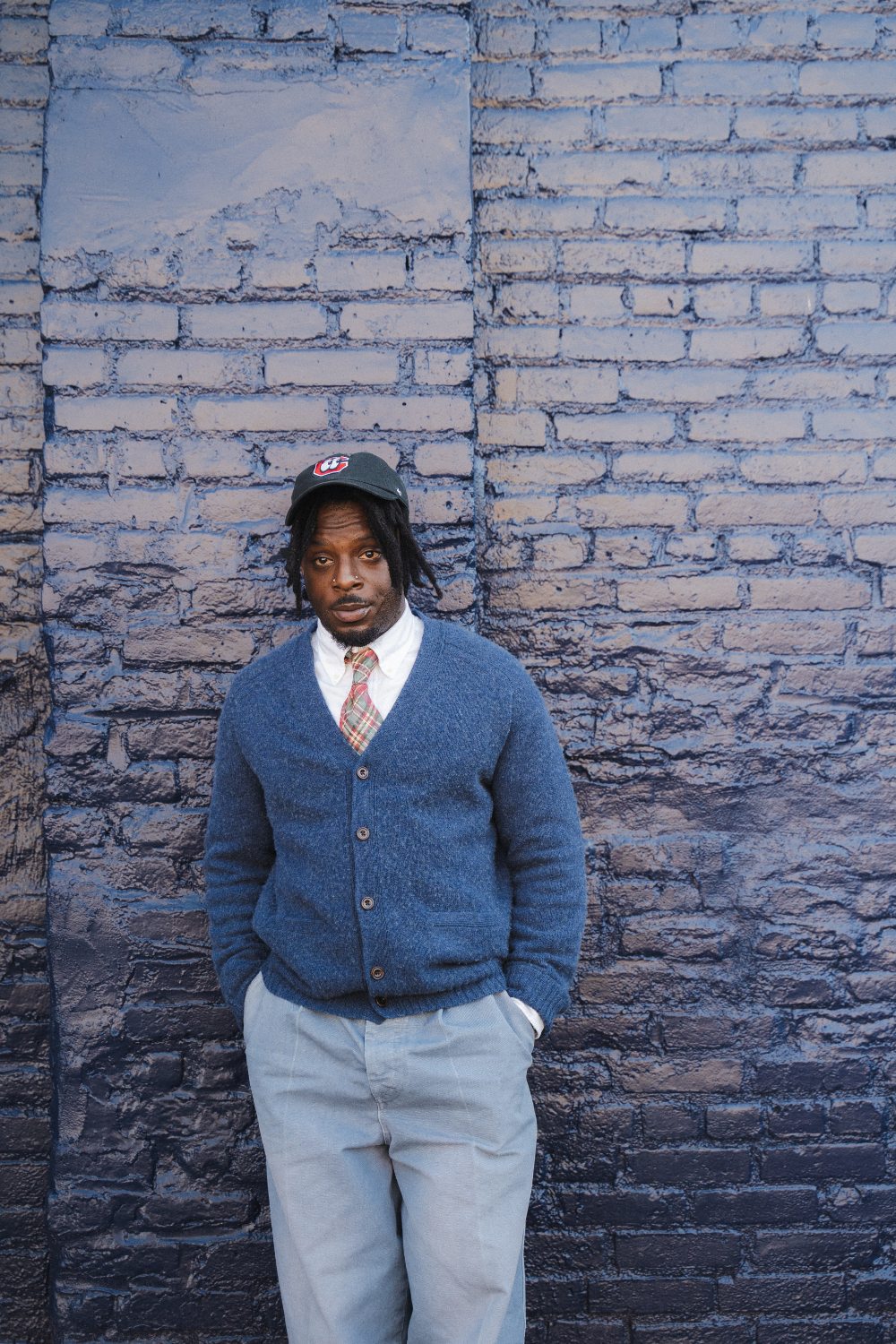
Isaiah Rashad (Photo: Marika Belamarich @marikarosegold)
“And I was just like, yeah, okay. You know what? I like to talk a lot of shit, you be pissing me off, but you’re the goat. I’m just gonna stand back here and shut the fuck up. Cause you obviously are better at this than I am.”
Miller says Rashad does not punch vocals — no stitching a verse from pieces, which is how almost everybody raps now. When recording “Wat’s Wrong,” Miller recounts, “There’s a part where he literally changes his tone — that’s him bringing air in while he’s rapping, to continue the verse all the way through. That verse is one take.” After repeating 20, 30 takes to get it perfectly, Miller clocked the habit. “He’s building the verse and the tones at the same time. Every tone he says the word in is so important to him that he’s truly memorizing the melody, the tone, the everything, as he does it.”
Rashad listens to music almost academically, studying records the way somebody might study game film. He has an unromantic take on his craft, characterizing it like a handyman. “If you have a good idea, just fix it. It’s still a good idea. Fix it,” he says.
That helps explain why he has never seemed particularly bothered by the amount of time between albums. He points to artists like Erykah Badu, a favorite, whose records taught him that waiting can be part of the process. “If it takes a while, it takes a while,” he says. “Is it good?”
His label Top Dawg Entertainment, famous for its secrecy and its patience, mostly stays out of the way. “Top Dawg” Tiffith Sr. tracks only whether what Rashad has handed in constitutes, in his view, 100% of an album. His committee, as Rashad refers to them — Top Dawg, his son Anthony “Moosa” Tiffith Jr., and Miller — convenes maybe two or three times per record. The rest is him.
Rashad’s relationship with Los Angeles has been described as uneasy. He wants that line updated. “I love it. Anytime I’m not enjoying LA is because it’s the experience I’m giving myself. LA is like the same day every day. So it’s what you make it — literally.”
The LA he describes is less about Hollywood and more a home kitchen. “Half the time I’ve been in LA, I’ve been living with these Koreans and his parents. I was living with my homie — this Japanese family, his daddy German. So I’ve been trying all these different kinds of foods, meeting all these different type of people. My agent is Egyptian.”
“But I remain Chatt,” he emphasizes. “Come to the show. I remain Chattanooga, man.”
His explanation for holding both is some of the sharpest hometown talk you’ll get: “Take into account, historically, where it’s set geographically. You had to get anywhere on the East Coast coming from the South — you had to come through Chattanooga. Atlanta to Nashville, Alabama to North Carolina, to New York — you got to come through anyway. So maybe that’s me being Chatt the most: being able to fuck with so many different places and get so much, and still remain Chatt.” The crossroads is the hometown.
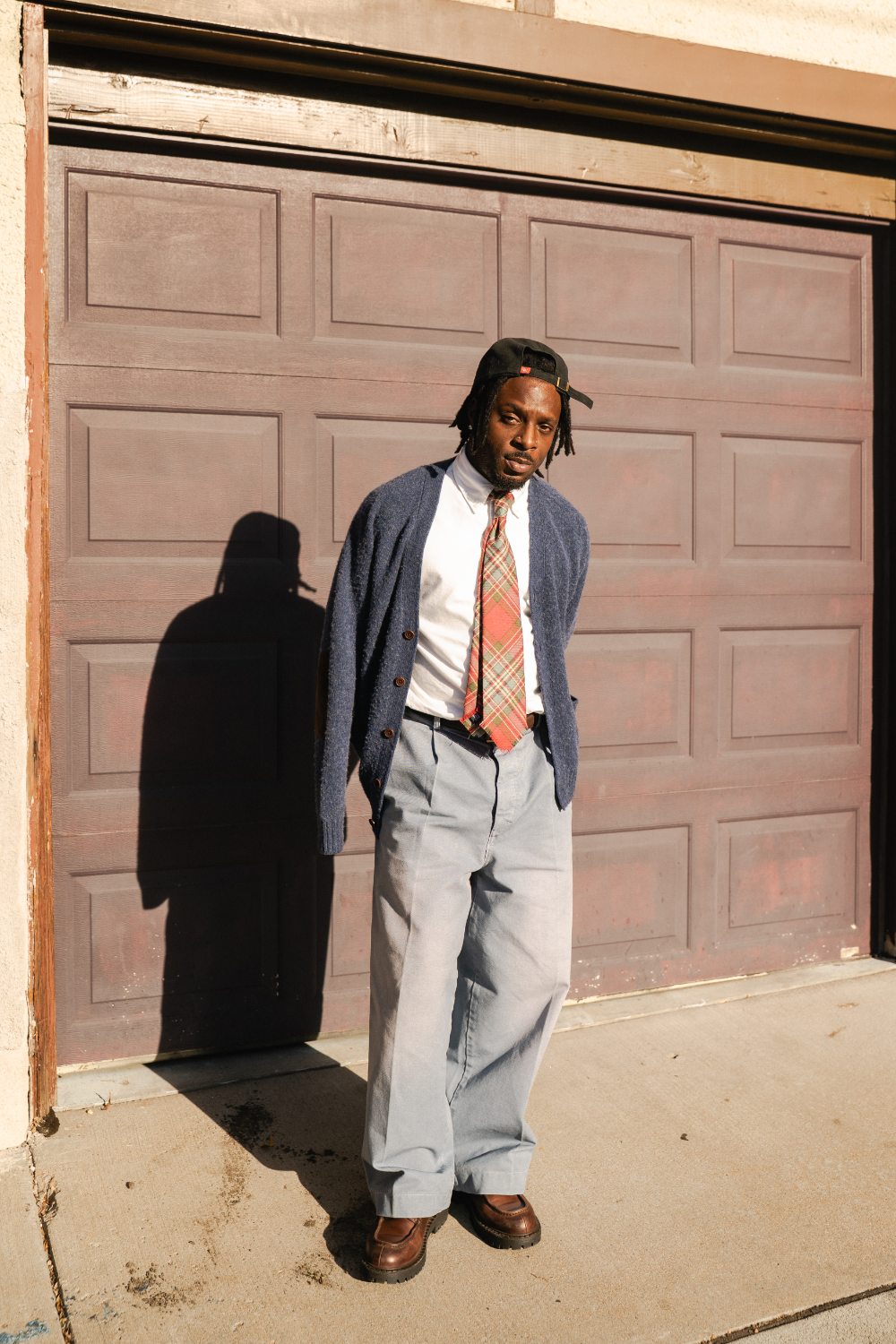
Isaiah Rashad (Photo: Marika Belamarich @marikarosegold)
Miller has a nickname for the man who goes dark for half a decade and then appears, alone, in some strip-mall booth. “I call him the Frank Ocean of rap. You can’t find him. You don’t see him unless you run into him randomly at a food spot by himself, with no security.”
The food spots, for the record, are gold — the beloved Thai spot Silver Lake House, Sapp Cafe, the Burbank institution Smokehouse, the list goes on. He cooks a lot at home: whole grilled fish, stir-fries, “crazy salads.” Whereas Rashad might be reluctant to reflect on his career and image, he’s more than happy to talk about his gut. “I spend most of my ideas on finding food.”
The family on the tour bus is his actual family. He’s with his brother Keem the Cipher, who he lives with year-round, and who was a lead producer on It’s Been Awful. His mother comes “to everything that she deems is important,” and the anniversary show in Los Angeles qualifies. She imparts the same advice she’s been giving his whole life: “Take care of yourself. Don’t get it on stupid. Make sure you eat right. Make sure you get some sleep. Same shit. Pray.”
Rashad has three children now — a teenager, a preteen and a six-year-old. His daughter plays oboe. One son makes beats. His youngest has decided he’s a rapper. “When they say they want to do something, we nurture their habit,” Rashad says. “We just don’t let them quit. If you don’t want to do it no more, we can do something else — but you can’t just quit.”
His approach to fatherhood is rooted in the same principle he applies to himself: people need room to become who they are. “They’re not you,” he says. “Give them the grace of being their own people. You made your best friend. Don’t force your ideas on them, because your ideas were forced on you. Treat them kinder than you were treated.”
The kids are old enough to watch him. “My little dude is going to be looking at me. I should more than pretend to clean my act up, but like actually figure my shit out.”
That sense of responsibility extends to the people who have been following him since the beginning. Miller remembers one of Rashad’s first 1,200-cap shows. After the performance, Rashad dropped the microphone and walked out to the front of the venue. He stayed there until around 3 a.m. signing autographs. Miller was irritated at the time, but eventually, he realized the moment was telling him something about the career they were building. “He really truly loves his fans,” Miller says.
That relationship has consequences at the box office, too. “He doesn’t have a crazy listenership on Spotify. He’s not a number-one Billboard artist,” Miller says. “But he sells more tickets than some of these guys that have hit records. There’s people out there with hit records right now that are on tour that are struggling. And we are not.” That is a reason the anniversary night exists as its own date. They asked for the album guts and he’s giving them a room full of that.
There are plenty of other things Rashad would rather talk about than his own legacy. He’s been taking photographs since he was 17. He collects obscure Japanese watches. He listens to soul and disco more than rap. He loves horror and comics.
“I want to get into welding,” he says. “I want to build a table. Or maybe that’s just what millennials say at this age — that they want to farm and they want to build a table so they can feel like they’ve created something.
“Like maybe that’s where I’m at. I want to make a table. You know what I’m saying? I’m into little shit like that, man. I’m into cucumber salads and shit, man. A little sesame.
“I’m into the peaceful side. I want to go to where there’s fireflies, and just chill there for a couple of days. I don’t even know where that’s at. Wherever the fireflies is at, it’s healthy. Think about it. There’s good air wherever that shit’s at.”
It’s a nice place to leave him — 35, off the barstool, Chatt as ever, cool with LA, finished with pedestals, plotting nothing fancier than this:
“Good air, good vegetation — wherever the fireflies are still just kicking it. I want to be there.”
Isaiah Rashad’s The Anniversary Show will be at the YouTube Theater, Tuesday, September 29. Follow Isaiah Rashad on Instagram at @isaiahrashad.
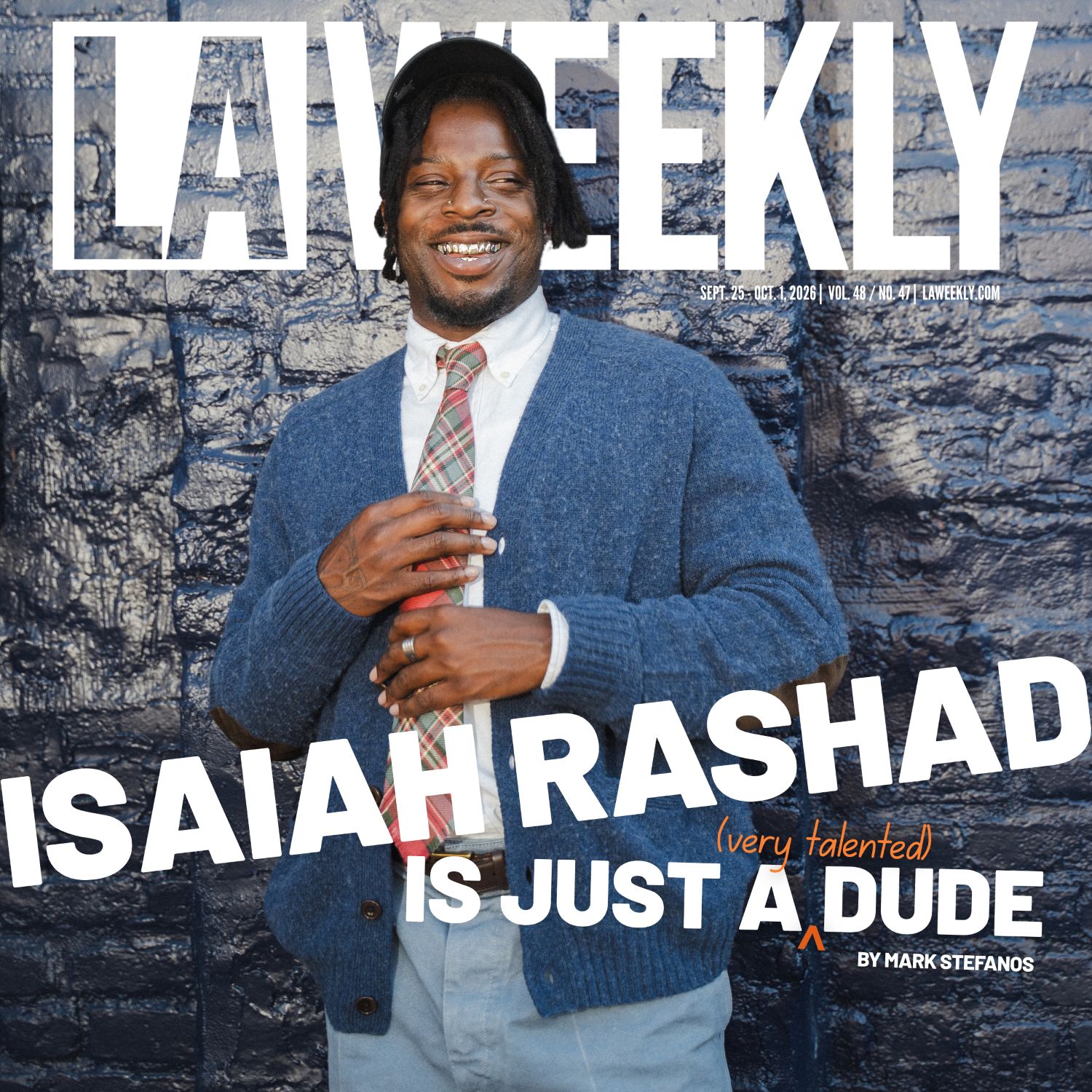
Isaiah Rashad on the Sept. 25, 2026, cover of LA Weekly (Photo: Marika Belamarich; cover design: Mark Stefanos)