
 Nia Bowers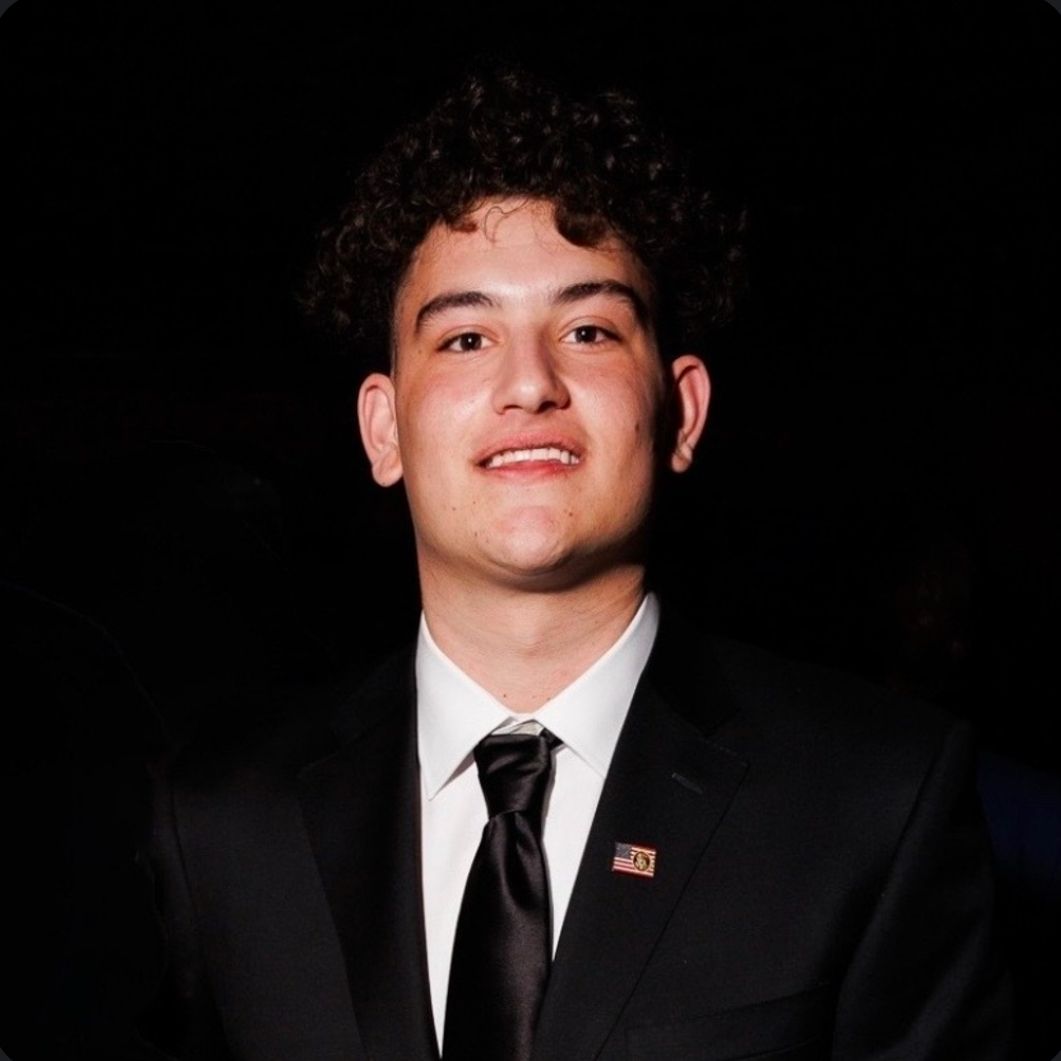
For most of paid social advertising’s history, brands could reasonably decline a creative format that did not suit them. Platform algorithms rewarded whatever performed, and a marketing team could concentrate its budget on the formats it was most comfortable producing without being penalized for the omission. Format selection was a preference, constrained mainly by production capacity and budget.
That arrangement is changing, according to Street Poller Media CEO and Founder Shane Ginsberg. The change itself is being driven by platform mechanics rather than by shifting brand preferences.
The shift traces to how Meta has restructured the relationship between paid and organic content. According to Ginsberg, the platform’s updates have progressively merged what functioned as two distinct systems into one. A paid advertisement placed in a feed is now evaluated on substantially the same terms as organic content, which means it needs to look like something that could plausibly perform on its own merits rather than like a traditional polished commercial. Advertising that only works because money is behind it gets less algorithmic support than it used to.
The corollary matters just as much. Brands that concentrate their spend in a single creative format tend to see reduced reach as a result, regardless of budget size. Meta’s own guidance has increasingly emphasized creative diversity, which in practice penalizes advertisers who run the same type of asset repeatedly, even when that asset performs well in isolation. Creative fatigue, once a slow problem that developed over months, now compresses into weeks or less.
That mechanic is what converts street interview advertising from an optional experiment into something closer to infrastructure. Once a brand scales paid social spend past a certain threshold, Ginsberg has argued, testing every available creative format stops being a strategic choice and becomes closer to a requirement, in the same way a brand operating at scale eventually has to run static images, video, and carousel units rather than relying on one. Street interviews, in his framing, are simply the newest format to cross that threshold.
Ginsberg has been careful about how far he pushes this argument. He has explicitly said the format is not meant to replace everything else a brand runs. Because Meta’s guidance penalizes over-reliance on any single creative type, his own agency repurposes street poll footage into static image assets as well, specifically so clients maintain format diversity rather than concentrating everything in one approach.
Rather than treating street polling as a trend a brand might eventually consider, Ginsberg’s position is that any advertiser running paid social at meaningful scale will end up testing the format regardless, because the algorithm increasingly demands variety to sustain performance. The question becomes whether a brand tests it deliberately, with a partner that has category data behind it, or reactively after watching reach decline on the formats it has been running.
What protects this particular claim against ever-changing platform preferences, according to Ginsberg, is that the convergence of paid and organic is not a preference the platform expressed but a structural direction it has been moving toward for years. Platforms have limited incentive to keep subsidizing creative that only reaches audiences because someone paid for it, particularly when engagement data consistently shows users respond better to content that does not announce itself as advertising.
If that direction holds, the formats that survive will be the ones that work whether or not there is money behind them.