
 Nia Bowers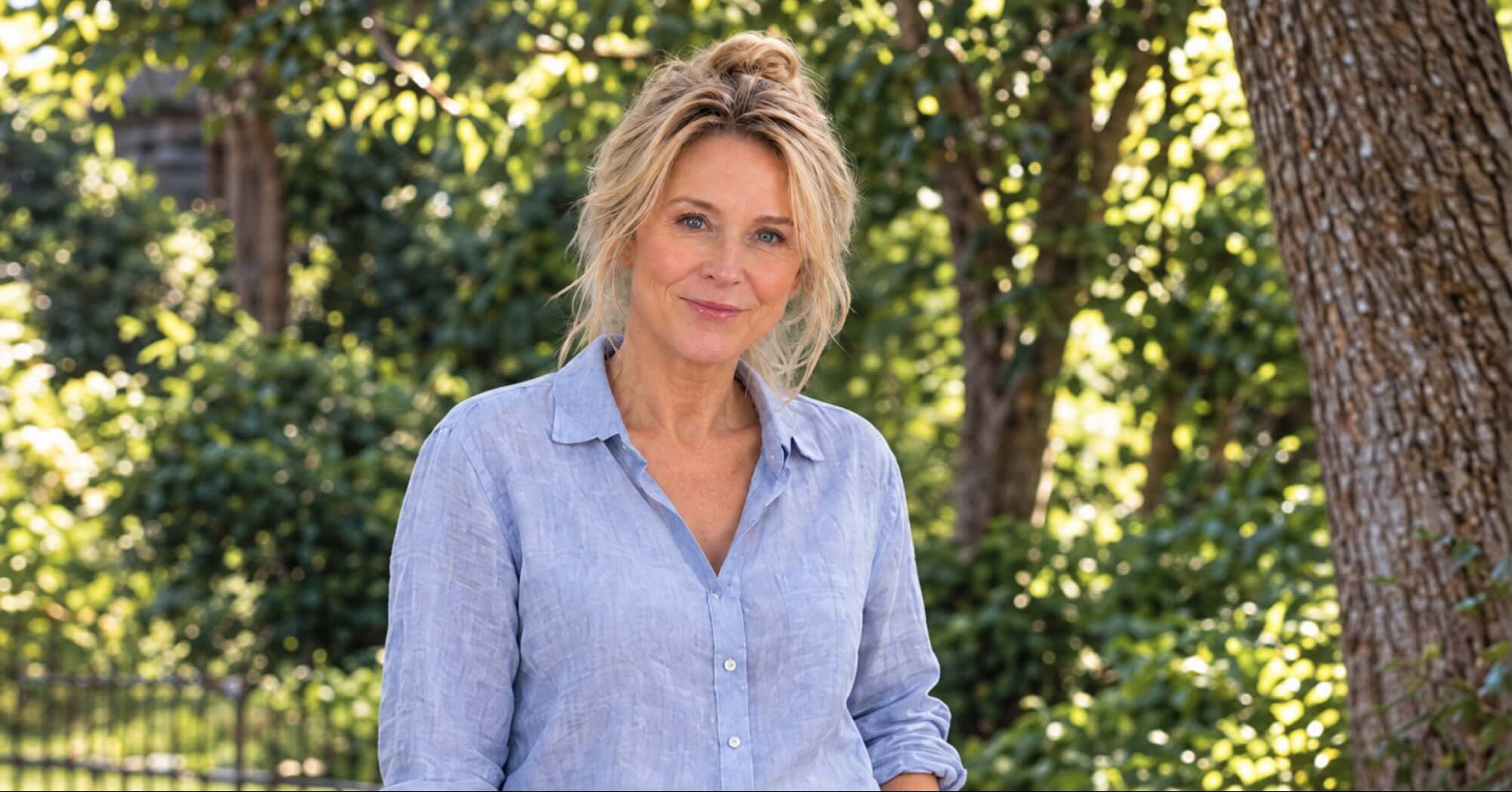
Photo Courtesy of Carol Grojean, PhD
By 2014, Carol Grojean had spent two decades at Microsoft, risen to senior director, and overseen multibillion-dollar transformation programs. She describes a routine of Lexapro to get through the day, wine to come down in the evening, and Xanax to sleep. She could no longer keep living at that distance from herself.
She left Microsoft, shaved her head, packed almost nothing, and traveled to Nepal and Bhutan. Leaving the job was one decision. Understanding who she was without the degrees, titles, and roles that had defined her would take years.
Years later, that search became part of “Vision Quest,” the 83-minute documentary directed by Los Angeles-based filmmaker Jan Becker. Grojean’s story is one of four, alongside Christian Oliver, Gabriela De Pasquale and Julie Connell. Together, they enter the California high desert for four days of fasting and solitude, guided by facilitator Mark Tollefson. Each arrives with a different history, confronting questions ordinary life has not resolved.
Oliver, the actor and filmmaker known for roles in “Speed Racer” and “Valkyrie,” was central to the film’s creation. After his own vision quest, he introduced Becker to the practice, and the two decided to document it. Oliver became the film’s co-creator, co-director, producer, and a participant.
Tragically, weeks after filming concluded, Oliver and his two young daughters were killed in a plane crash.
Becker has said the loss changed his relationship to the project. After months of grief and reflection, he committed to finishing the film they had envisioned together. Oliver’s search for forgiveness, purpose and connection would become one of his final filmed journeys.
The way Becker filmed the retreat shapes its meaning. Before production, the crew participated in a mini-retreat and sought guidance from Tollefson. Some rituals were considered too sacred to record. They decided on camera placement and filming protocols in consultation with him. A documentary about ceremony had to accept that some of what mattered most belonged only to those who were there.
That restraint gives Grojean room to be more than a polished transformation story. Her vulnerability is what stays with the viewer. She speaks about moving away from the need to conquer and toward feeling safe in herself. Coming from someone whose professional life had depended on navigating enormous complexity, the realization carries its own quiet force.
After leaving Microsoft, Grojean spent years trying to understand what happens when the identity that makes a person successful stops making them whole. She entered a long period of immersion with wisdom traditions across cultures and participated in vision quests, sweat lodges and other ceremonial practices. She completed a PhD in Transformative Social Change in 2017.
Then she returned to business. In 2018, Microsoft invited her back as its first cultural engineer, embedded in Cloud and Quantum computing. She believed what she had learned might have a place inside one of the world’s most complex technology organizations.
Her return brought the human dimensions of organizational change into sharper focus. Alongside sophisticated systems and extraordinary execution, she saw leaders working under chronic pressure. She began to ask what allows people to remain connected to themselves and one another as the organizations around them accelerate.
She later deepened her work in meditation, consciousness and the neuroscience of flow, then coached CEOs and senior leaders through the Flow Research Collective.
Those experiences now meet in the Coherence Method™, her five-phase model for leadership and organizational transformation: Capacity, Orientation, Activation, Ceremony and Integration.
The fourth phase is the one most likely to sound unfamiliar in a business setting. Grojean describes it simply: “Ceremony marks the identity threshold where change becomes embodied.”
She is not suggesting that companies reproduce Indigenous rites or turn an executive off-site into borrowed ritual. Her interest is in what ceremony has historically made possible. It gives people a structure for acknowledging that something has ended, that a new responsibility has begun, and that the person crossing the threshold may need to change with it.
Companies often respond to changing business conditions with new strategies, revised goals, and announcements about what comes next. Grojean focuses on what happens afterward, when people are expected to work in ways their existing habits may not support. A leader can keep the same title and still face a real threshold: learning to make decisions, relate to others, and carry responsibility differently as the world around them changes.
Within the Coherence Method™, Ceremony is followed by Integration, where a different way of leading has to hold in ordinary meetings, decisions, and relationships. Grojean uses the Leadership Coherence Index™ to examine how leaders perceive their own coherence, and Syneurgy, an AI-powered social neurotechnology platform, to observe signals of how teams work together. At the center of that work is a question the film makes personal: what happens when people keep meeting outward demands while losing touch with themselves? Her work with leaders now brings that question into organizations facing rapid change, where people need both the capacity to adapt and the conditions to remain connected to one another.
The documentary, available to rent or buy on Prime Video, Google Play and YouTube, leaves its participants without the comfort of a simple answer. Its power lies in watching people enter the desert without knowing exactly what they will find there. After Oliver’s death, Becker described making the film as his own vision quest.
Grojean is carrying these questions into a wider inquiry in her essay “Building a Regenerative Civilization,” with a planned inquiry beginning in Bhutan, a place she first visited after leaving Microsoft. She explores how human connection, the living systems that sustain communities, and the institutions governing ownership and value can support one another across generations.
The connection to her personal journey is direct. She once questioned a version of success that had left her disconnected from herself. Now she asks what progress requires if people, communities, and ecosystems are to flourish together. What began as a search for a life she could inhabit more fully has become an inquiry into the conditions that make such a life possible for others.
To learn more about Carol Grojean and her work, visit carolgrojean.com.
For more about “Vision Quest,” visit visionquestfilm.com.